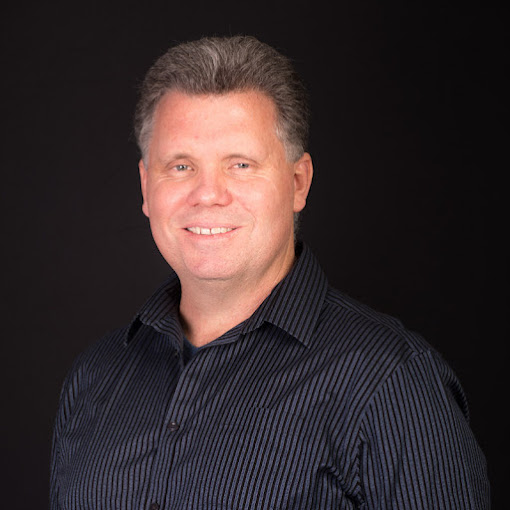
Today we’d like to introduce you to Brian Deeker.
Hi Brian, thanks for sharing your story with us. To start, maybe you can tell our readers some of your backstory.
My career in web development goes back about 15 years, and like a lot of people who came up in this field, I spent most of that time building things for other people. I worked across fintech, enterprise services, and eventually landed senior .NET developer roles where I was shipping production code on platforms serving millions of users. That work gave me a solid foundation, but it also gave me a very clear view of where the industry was falling short.
Accessibility was one of those areas. I kept seeing companies treat WCAG compliance as a checkbox exercise, something they did reactively when a complaint showed up or a legal notice landed in their inbox. The tooling that existed was either expensive, overly complex, or built for enterprise teams with dedicated QA departments. Nobody was really serving the small business owner or the agency developer who needed to understand their exposure without a six-month onboarding process.
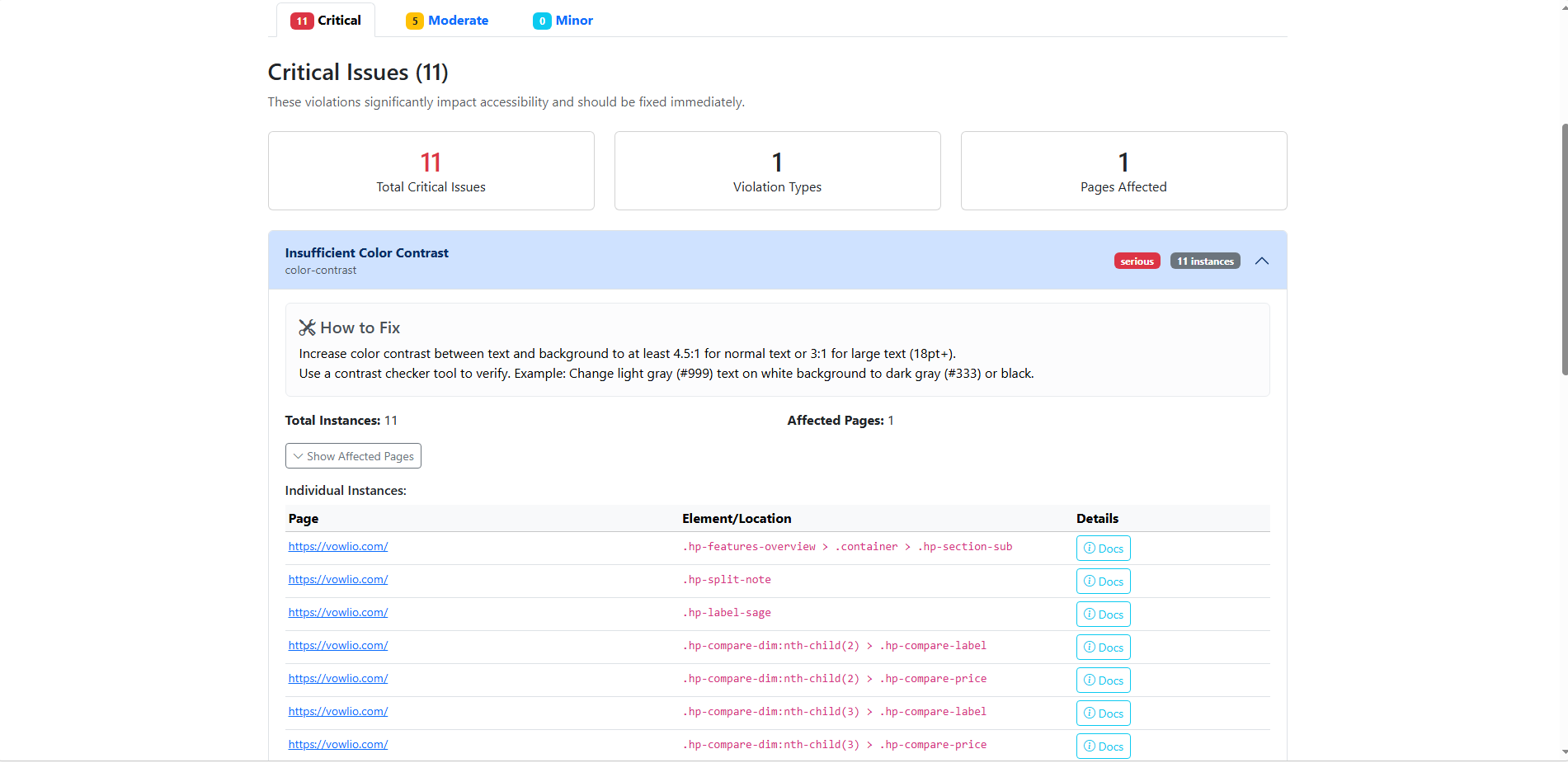
That gap was where SiteGuardian started. I had been building Vowlio, a wedding planning SaaS, and the accessibility work I was doing on that platform opened my eyes to how much most web properties were missing. I went from 842 violations down to roughly 11 on a complex production app, and I did it by iterating against real scanning tools, not guesswork. By the time I was done, I knew enough to build something better than what I had been using.
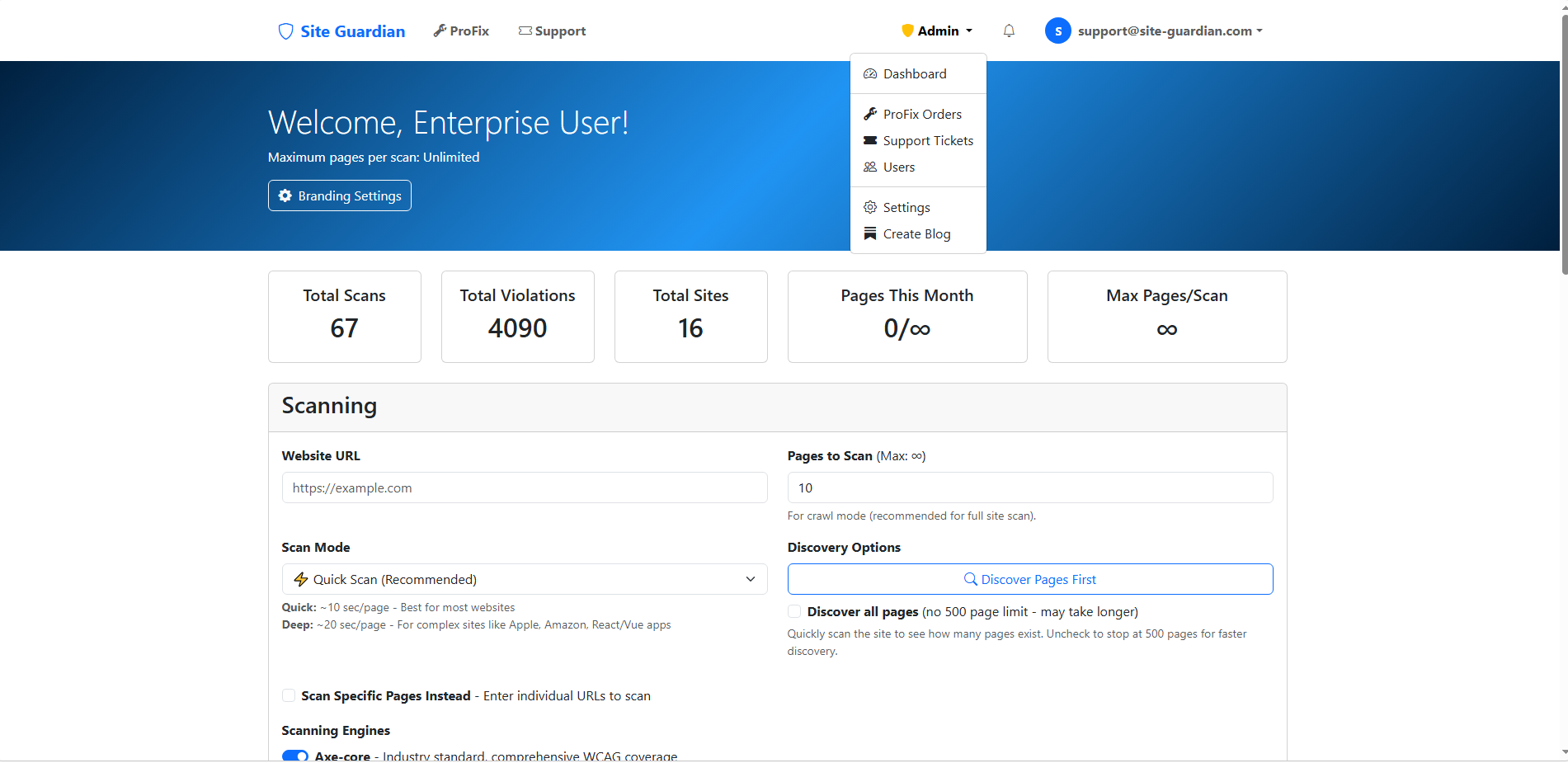
SiteGuardian came together quickly because I already had the stack I needed. ASP.NET Core, Stripe for billing, DigitalOcean for hosting. I layered in multi-engine scanning using Axe, Pa11y, and WAVE so the results were not dependent on a single interpretation of the spec. The goal was always a tool that could tell a real business owner, in plain language, what was broken and how serious it was, without requiring them to already be an accessibility expert.
That is where I am today. The platform is live, it is in production and I am continuing to build it. After 15 years of working inside other people’s roadmaps, I find a lot of satisfaction in finally owning the whole thing from the architecture down to the customer conversation.
We all face challenges, but looking back would you describe it as a relatively smooth road?
Not even close to smooth. I would be doing a disservice to anyone thinking about building a SaaS product if I said otherwise.
The technical side was actually the easier part, which is saying something because there was nothing easy about it. Building a multi-engine accessibility scanner that produces consistent, actionable results across thousands of different site configurations is genuinely hard. I went through a full migration from a single Axe implementation to a Playwright-based multi-engine setup, rebuilt the scanning infrastructure more than once, and dealt with the kind of production outages that teach you very quickly what you should have monitored from day one. Deploying to DigitalOcean on a PowerShell SCP pipeline while simultaneously managing an Azure-hosted SaaS on a completely different stack meant I was carrying a lot of context at all times.
But the harder struggles were not technical. They were about time and priority. I built SiteGuardian alongside a full-time IT operations role and while I was also deep in development on Vowlio. There were weeks where I was shipping features on two production platforms after hours and on weekends, then showing up Monday morning to a job that honestly did not challenge me the way this work does. That tension wears on you. You start asking yourself whether you are spreading too thin, whether you should just pick one thing and go all in, whether the day job is subsidizing the dream or quietly strangling it.
I also underestimated how long it takes to build credibility in a market where trust is everything. Businesses are not going to hand their compliance exposure to a tool they have never heard of just because the scanner is good. Getting those first customers required grinding on SEO, writing content that actually demonstrated expertise, and being patient in a way that does not come naturally to someone who spent years working in fast-moving development environments.
The honest answer is that the road is still not smooth. It is just a different kind of rough than it was at the beginning. At this point I know what the problems are, which is a better position than not knowing, but knowing and solving are two different things.
Alright, so let’s switch gears a bit and talk business. What should we know?
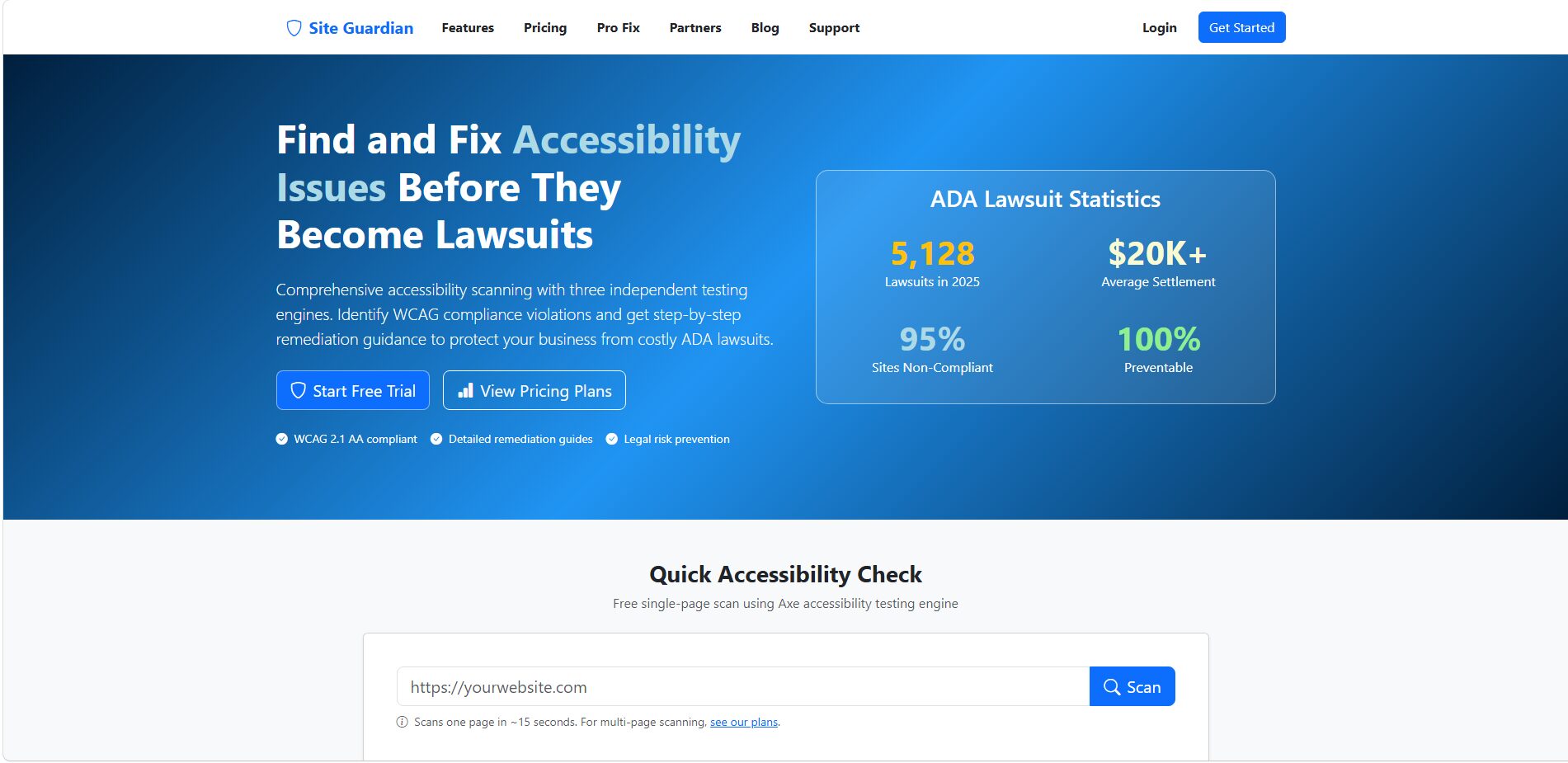
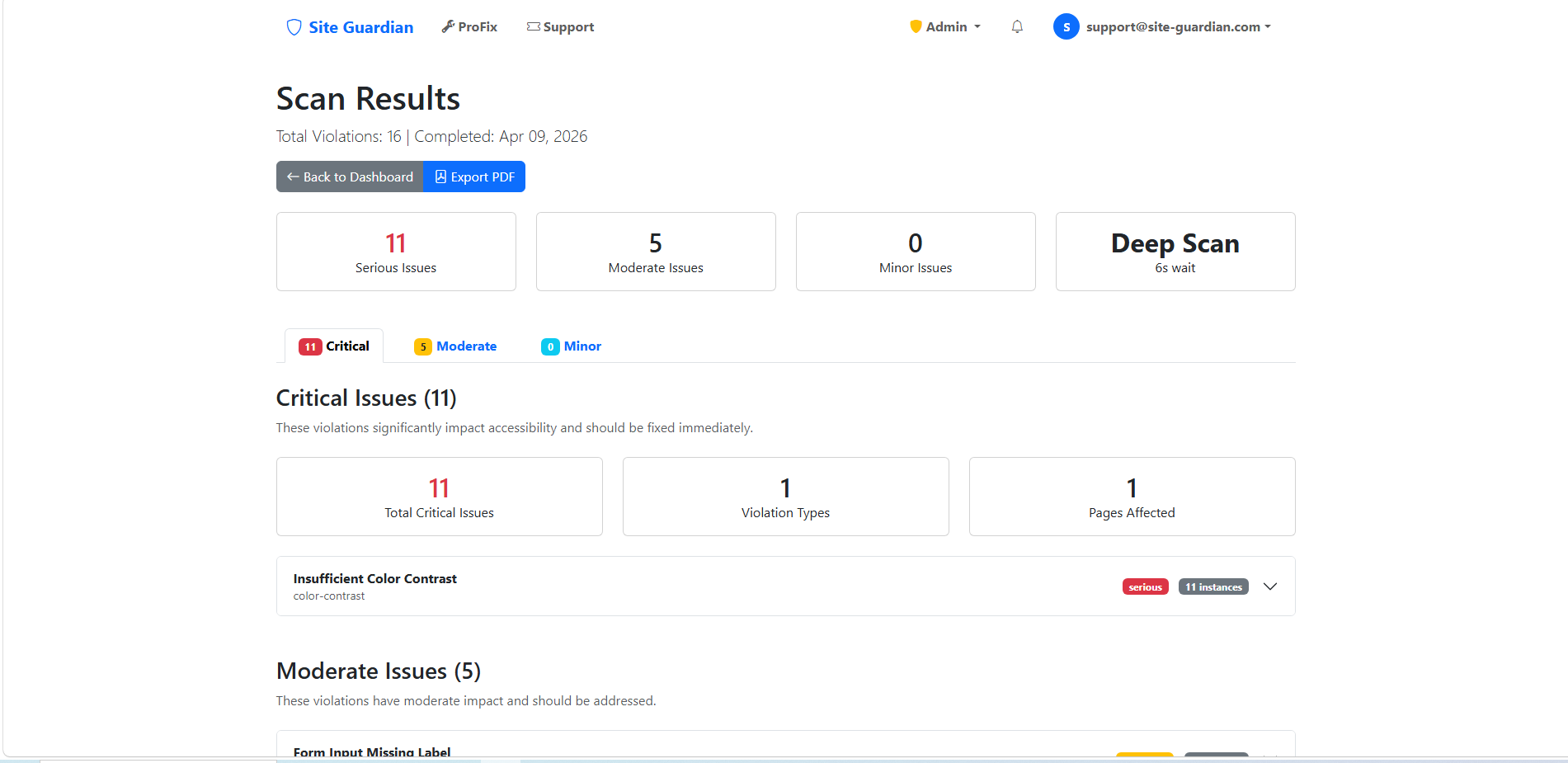
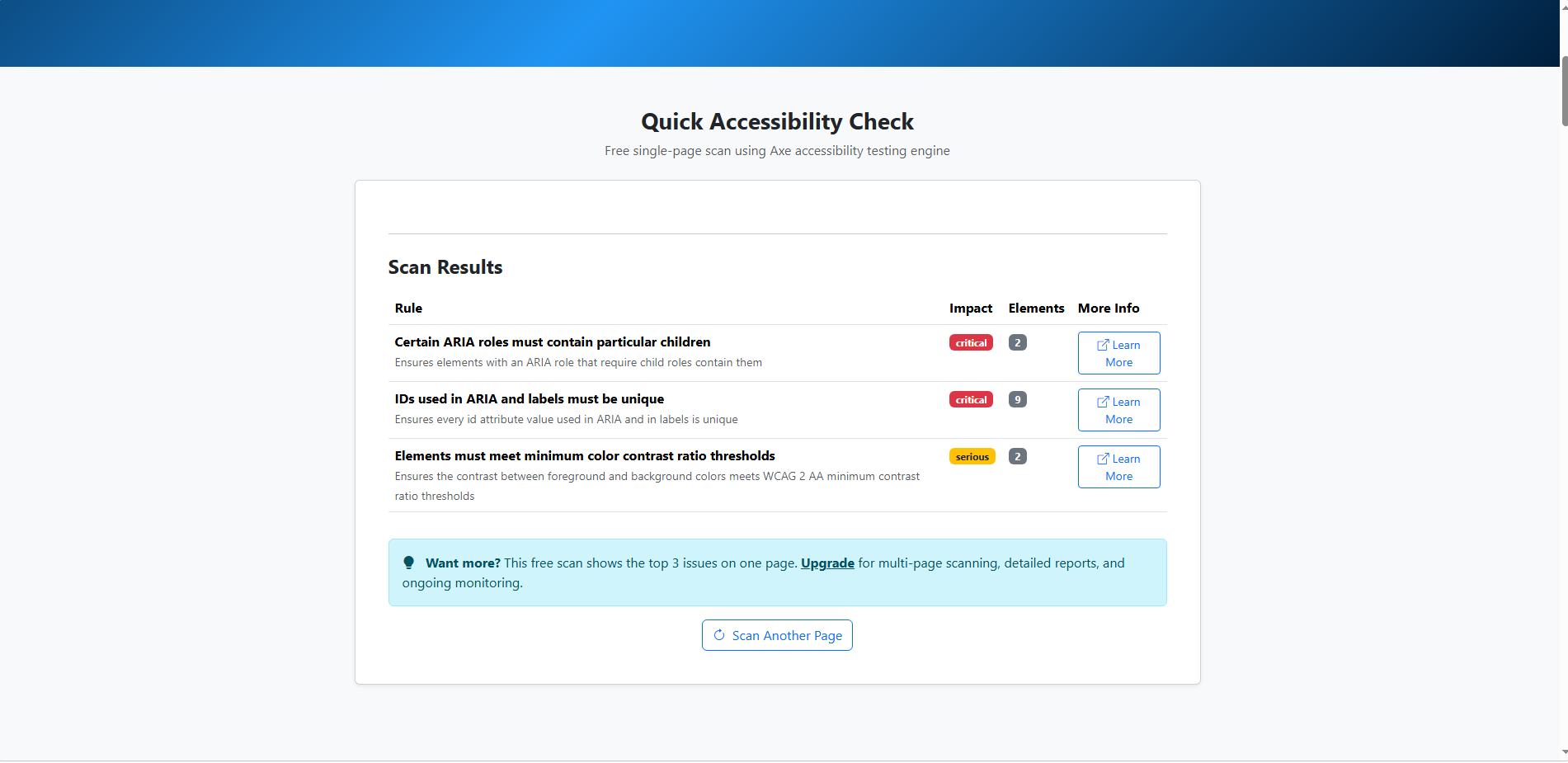
SiteGuardian is a web accessibility scanning platform built for businesses that need to understand their WCAG compliance exposure without hiring a specialist or investing in enterprise software that costs more than it delivers. The core product scans any website and returns a prioritized report of accessibility violations, categorized by severity, with enough context that a developer or a non-technical business owner can actually act on the results.
What sets it apart is the multi-engine approach. Most scanning tools run a single engine and call it done. SiteGuardian runs Axe, Pa11y, and WAVE in combination, which means you are getting a much more complete picture of what is actually broken on your site. A violation that one engine misses, another will catch. For a business trying to reduce legal exposure or genuinely serve users with disabilities, that difference matters.
The pricing is also built for the market I am actually serving. There are plenty of enterprise accessibility platforms with five-figure annual contracts. SiteGuardian is not that. It is priced for small and mid-size businesses, agencies managing multiple client sites, and developers who want to build compliance into their workflow from the start rather than bolt it on at the end.
What I am most proud of, honestly, is that it was built by someone who has done this work in production. I did not build a scanner and then go learn about accessibility. I spent years reducing violations on real applications, understood what the tooling was and was not giving me, and then built something better. That background shows up in how the results are presented and what the platform considers worth flagging versus noise.
The brand is straightforward because the problem it solves is serious. Accessibility lawsuits have been increasing for years. Businesses that ignore WCAG compliance are not just creating a poor experience for users with disabilities, they are carrying real legal risk. SiteGuardian exists to take that off the table in a way that is affordable and actually usable.
We’d love to hear about how you think about risk taking?
I think most people misunderstand what risk actually is. They frame it as a personality trait, like you either have the stomach for it or you do not. My view is more practical than that. Risk is just the gap between what you know and what you are committing to. The goal is not to avoid it, it is to make sure you understand what you are actually betting and what you stand to learn even if it does not work out.
With that framing, yes, I have taken significant risks. Building two production SaaS platforms from scratch while holding down a full-time job is a risk. Not a reckless one, but a real one. Every hour I spend developing SiteGuardian or Vowlio is an hour I am not spending on something with a guaranteed return. There is no salary attached to it, no one approving the roadmap, and no safety net if the market decides it does not care about what I built. I made that choice deliberately, and I would make it again.
The bigger risk, in my opinion, was the one I took years ago when I decided that being a strong technologist was not enough and that I needed to understand the full picture, the market, the customer, the business model, the legal exposure, all of it. That shift in how I thought about my own career was uncomfortable. It meant admitting there were large areas where I had no idea what I was doing and then going and figuring them out anyway. That kind of risk does not make headlines but it is the one that actually changes your trajectory.
What I have learned is that the risks that look scary from the outside are usually manageable once you are inside them. The risks that actually hurt are the ones you did not see coming because you were not paying attention. I try to stay honest about what I do not know. That habit has saved me more than any amount of confidence ever has.
Pricing:
- Starter: $49/month. 5 websites, up to 500 pages each, triple engine scanning (Axe, Pa11y, WAVE), violation reports, color contrast analysis, code-level remediation guidance. 7-day free trial.
- Professional: $149/month. 20 websites, up to 1,000 pages each, all Starter features plus historical tracking, PDF report exports, and priority support. 7-day free trial.
- Enterprise: $399/month. Designed for larger organizations requiring deeper coverage and higher volume scanning. 7-day free trial.
- Agency Partner: $499/month. White-label ready, earn 50% recurring revenue on all client subscriptions. Break even with 7 Pro clients. No contracts.
- All plans include unlimited scans, WCAG 2.1 Level AA compliance testing, no setup fees, and no hidden costs. Cancel anytime.
Contact Info:
- Website: https://site-guardian.com
- LinkedIn: https://www.linkedin.com/in/brian-siteguardian