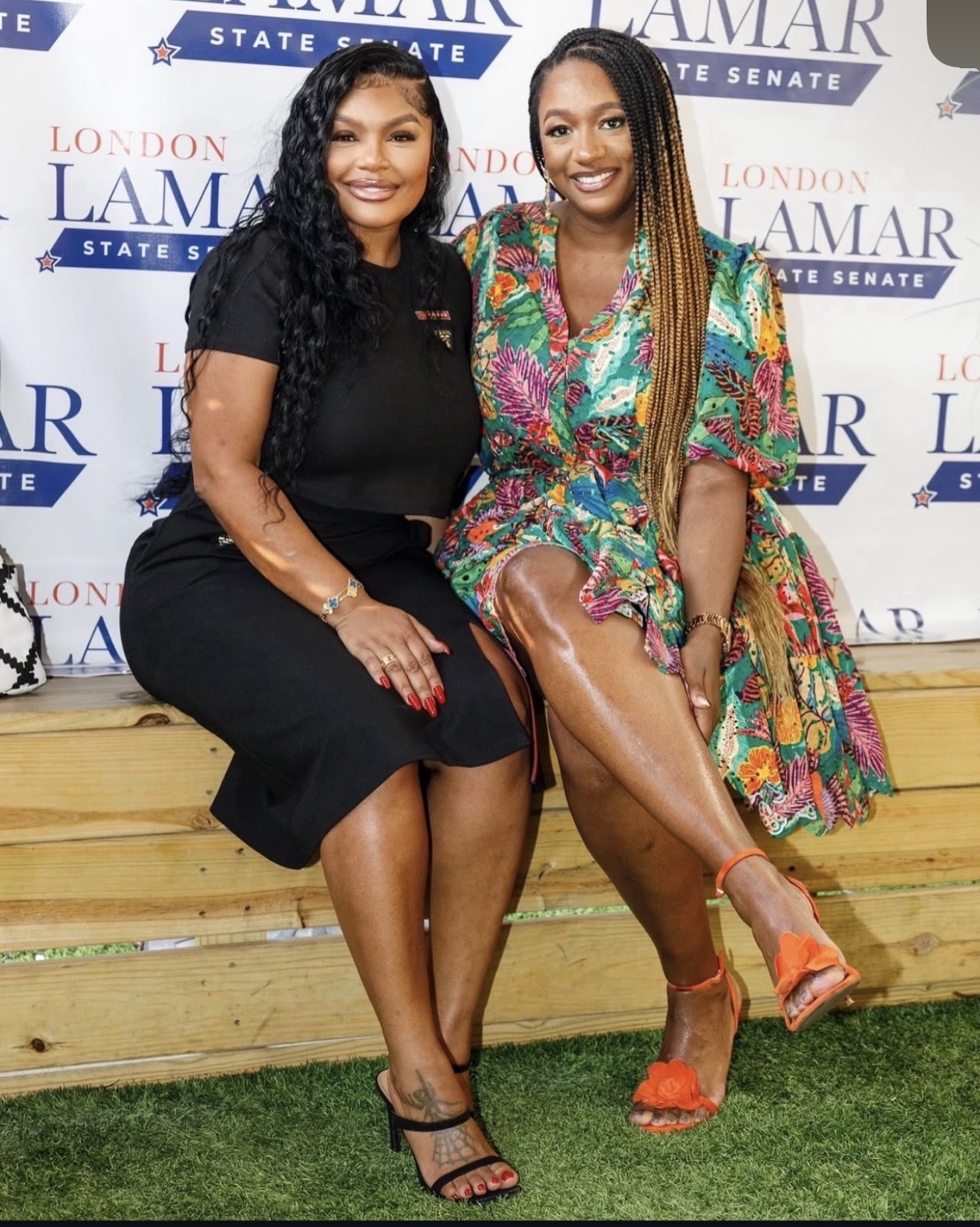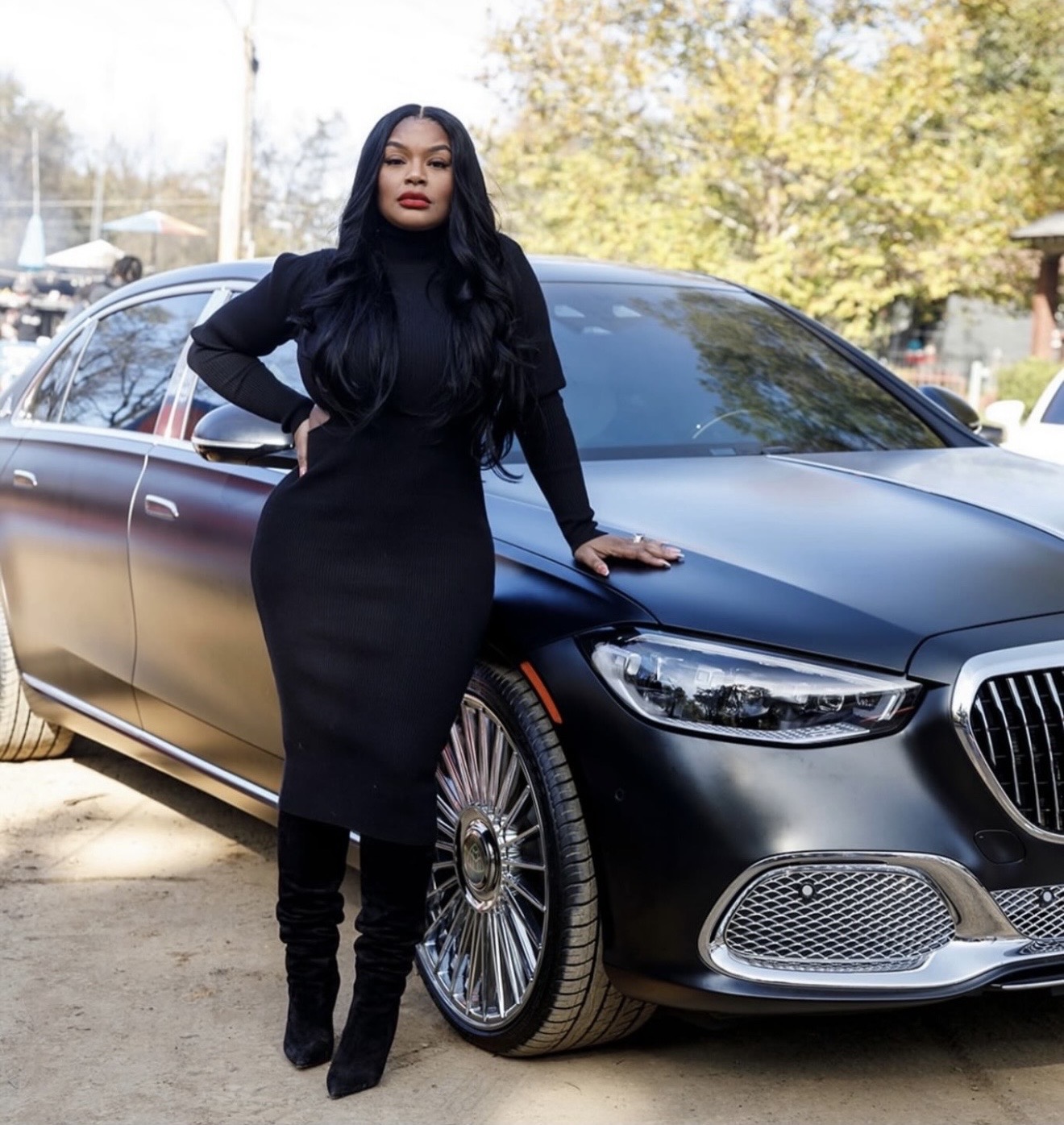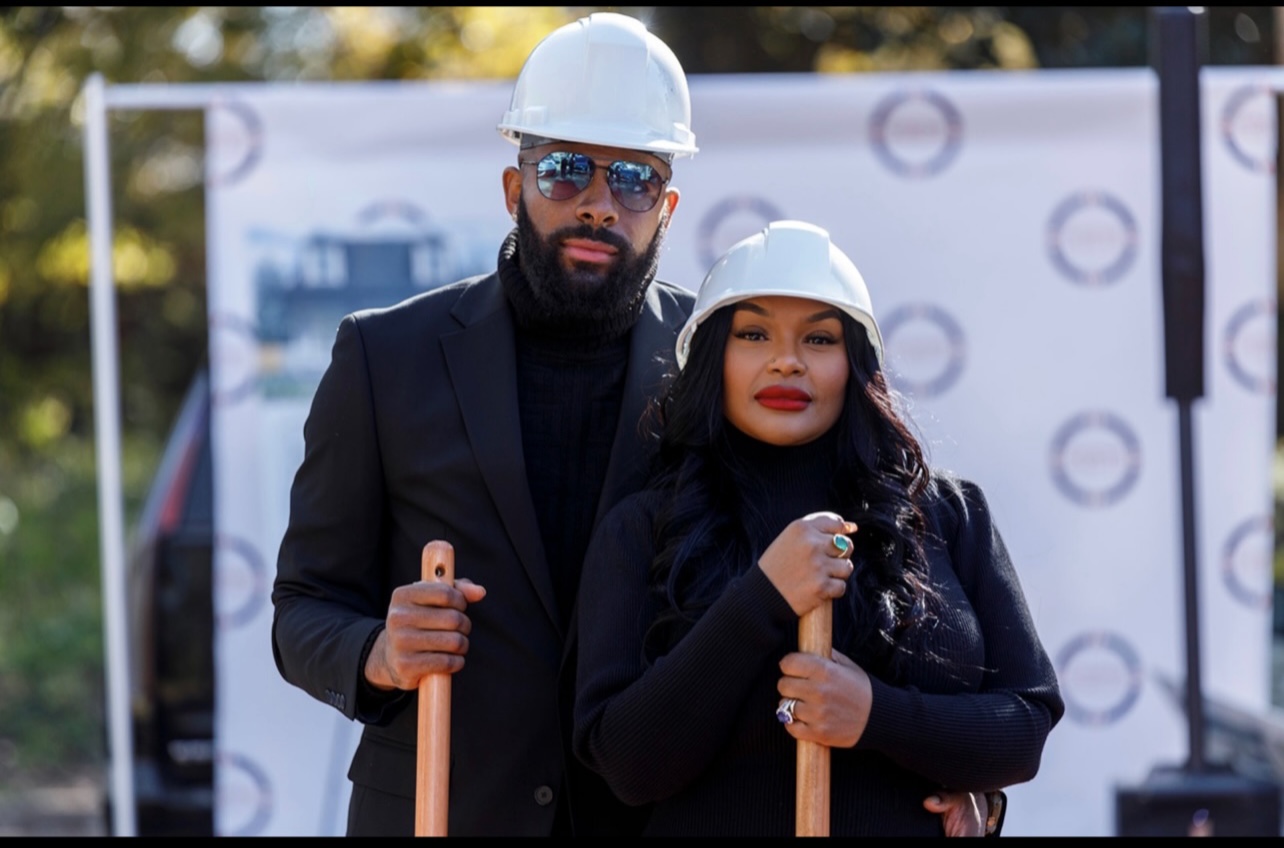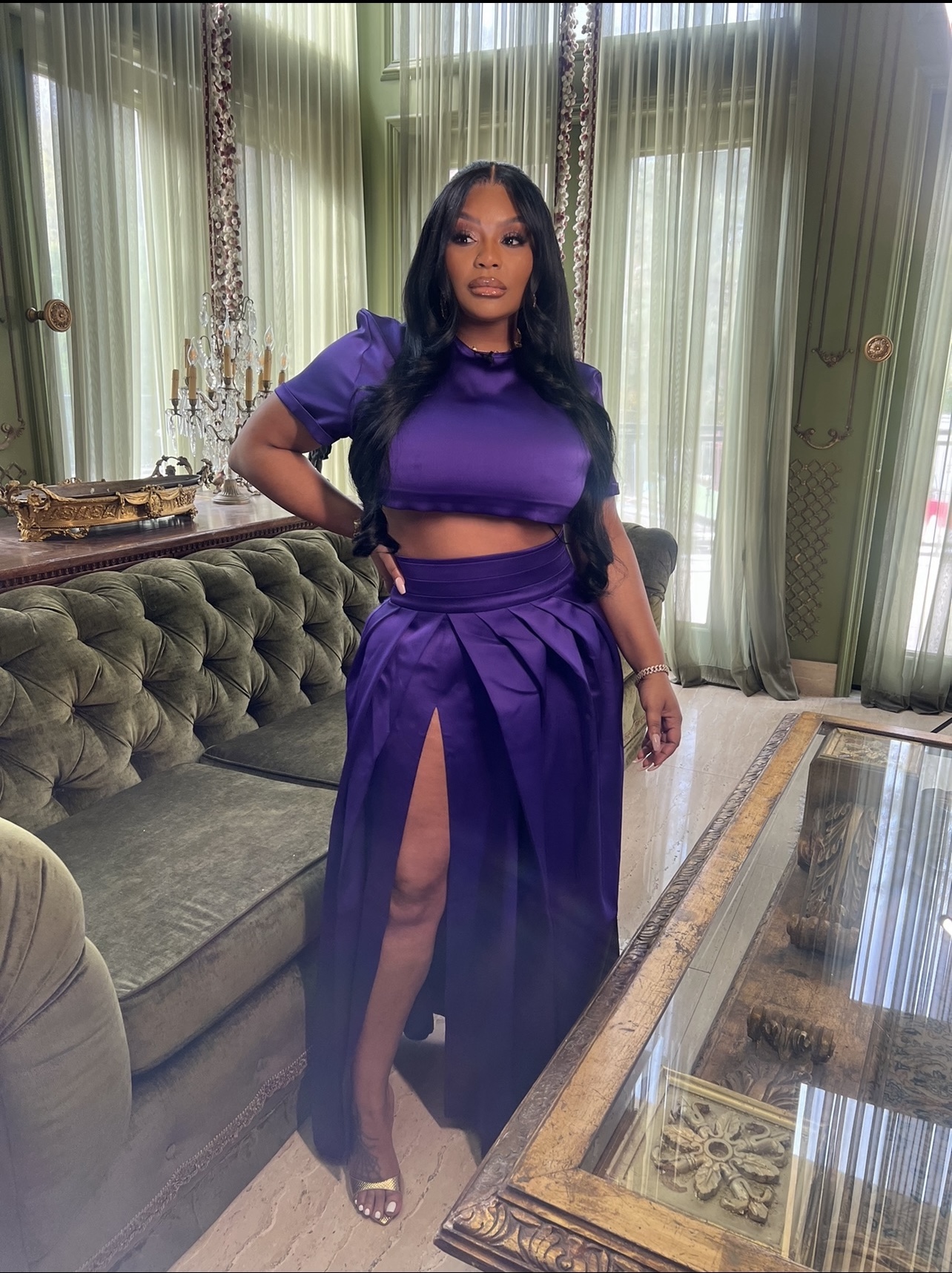
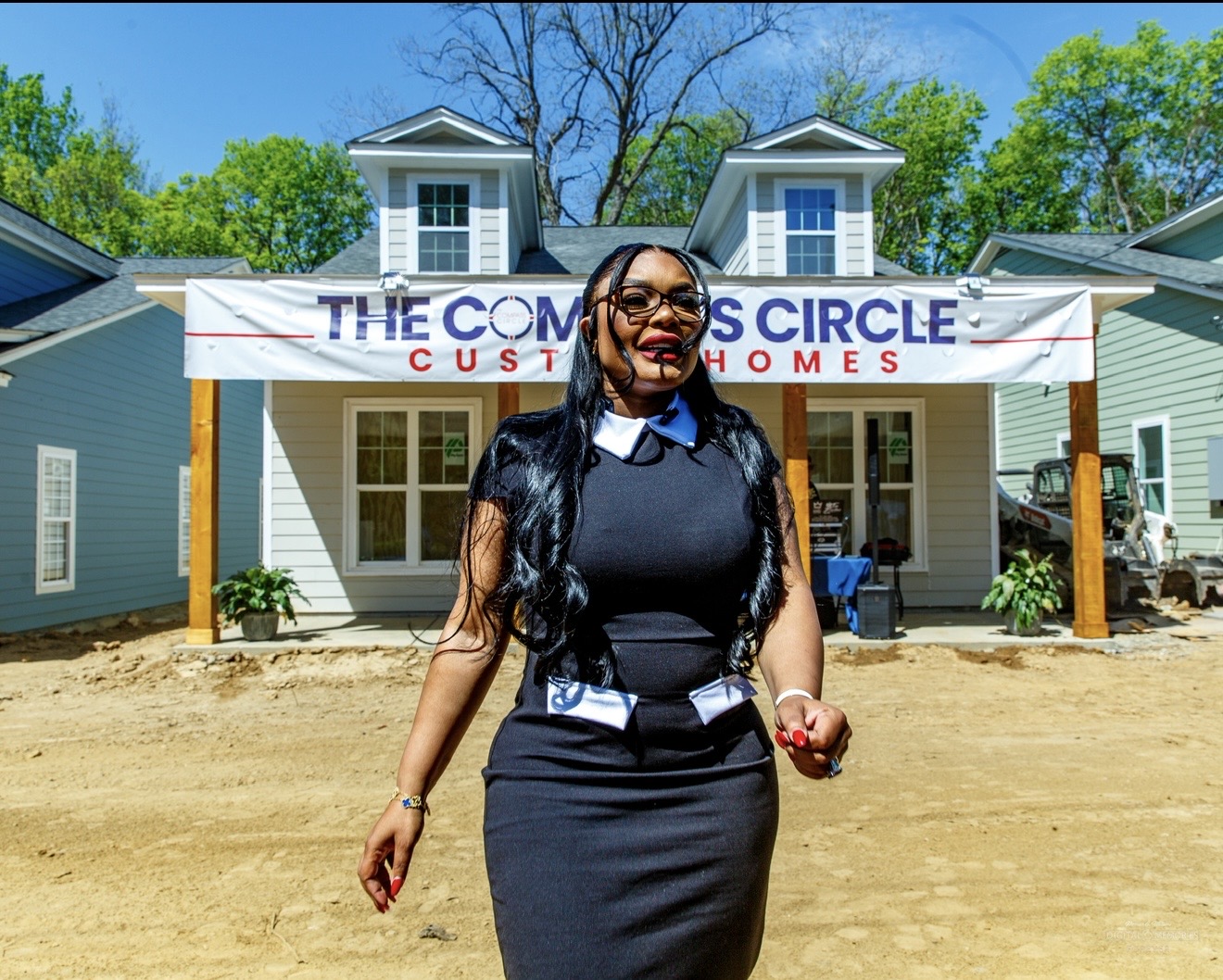
Today we’d like to introduce you to Casey Cooper.
Hi Casey, so excited to have you with us today. What can you tell us about your story?
I started where a lot of people start — with more vision than capital, and the refusal to wait for permission. I’m a first-generation millionaire, a licensed general contractor, and a Black woman who decided early that I wasn’t going to build one lane and stay in it. So I didn’t.
I built across construction, real estate development, transportation, and government contracting at the same time — because that’s how I saw the path to real ownership. Not just earning, but owning the land, building on it, and controlling the supply chain around it. Today through The Compass Circle, I’m the developer, the builder, and the landowner, which is rare. I hold 13 lots across three Memphis developments — affordable homes in Soulsville, a six-lot project in North Memphis, luxury builds in Cordova — and I run a federally certified business (SBA 8(a), WOSB) doing GovCon and logistics work alongside it.
The other half of the story is community. I founded South City CDC because development that doesn’t lift the neighborhood it’s in isn’t development — it’s extraction. I’m pursuing CHDO and CDFI status to build a lending and fund ecosystem around affordable housing, so the capital stays in the community instead of leaving it.
And I’ve never separated the businesswoman from the woman with a platform. I use my reach to show the work in real time and to teach other women — especially Black women — that you can build longevity and security through ownership. That’s the whole point. I didn’t come this far to be the only one in the room. I came to bring people with me.
Alright, so let’s dig a little deeper into the story – has it been an easy path overall and if not, what were the challenges you’ve had to overcome?
No — and anybody who tells you their road was smooth is editing the story.
Operating in this many lanes at once is the real test. Construction, development, trucking, GovCon, content — every one of those has its own fires, its own people to manage, its own timeline. I’m the builder, the developer, and the landowner on the same projects, which is my edge, but it also means the buck stops with me on all of it. Managing a team, listing agents who aren’t pulling their weight, capital partners, financing that falls through — that’s a constant. You learn fast that vision is the easy part. Execution across five fronts at the same time is where most people tap out.
And I’d be lying if I left out the obvious: being a Black woman building at this level means the room often expects less of you before you open your mouth. Certifications like 8(a) and WOSB matter, but you still walk in and earn it every single time. I stopped seeing that as a burden a while ago. It’s fuel.
The biggest struggles forced me to fix my foundation — tighten my systems, my legal protections, my team. And that’s the lesson: the hard seasons that make you rebuild are worth more than the smooth ones. I come out of every one of them with a stronger business than I had going in.
We’ve been impressed with The Compass Circle, but for folks who might not be as familiar, what can you share with them about what you do and what sets you apart from others?
The Compass Circle is a real estate development and general contracting firm — but that undersells it. What I’ve actually built is a vertically integrated operation where I’m the landowner, the developer, and the licensed builder on the same projects. Most people in this industry control one piece of that chain and partner out the rest. I control all three. That’s the differentiator, and it’s not marketing — it’s earned.
We build across the spectrum — from affordable, attainable homes to luxury custom builds — with active developments across Memphis. The through-line is ownership: controlling the land, the build, and the work end to end, rather than handing pieces of it off and hoping everyone else delivers.
What sets us apart is that I refuse to separate the development firm from the mission. I founded South City CDC as the community arm, and I’m building toward a lending and fund ecosystem around affordable housing — so the capital that flows into these neighborhoods actually stays in them. Development that doesn’t lift the community it sits in is just extraction. I’m building the opposite.
Brand-wise, what I’m most proud of is that the proof is public. I’m not selling a dream from a stage — I’m showing the work in real time, and using that platform to teach other women that you can build real generational security through ownership. The firm and the message aren’t two things. They’re one thing.
What I want your readers to know: The Compass Circle is what it looks like when a woman owns the full stack — land, build, and voice — and uses it to open the door for the people coming behind her. That’s the brand. That’s the whole point.
Can you talk to us about how you think about risk?
Here’s how I see it: risk isn’t the thing to avoid — it’s the price of admission to anything worth owning. Driving a car is a risk. Staying small is a risk too, people just don’t call it that because it’s quiet. The question was never “is this risky.” The question is always “how bad do you want it” — and I’ve answered that with my actions, not my mouth.
I bet on myself before anybody else would. I went into development as the landowner, the builder, and the developer all at once — and every one of those is its own exposure. Most people partner those pieces out specifically so they’re not holding all the risk. I chose to hold it, because holding the risk is how you hold the reward. You don’t get to own the full stack and also ask somebody else to carry the downside. That’s not how it works, and I didn’t want it to.
But here’s where people get risk wrong. They think a risk-taker is somebody who closes their eyes and jumps. That’s not me. I take big swings, but I’m not reckless — I build the floor before I leave the ground. When I’ve been hit hard, I went back and rebuilt my systems, my legal protection, my whole foundation, so the next swing was taken from steadier ground. That’s calculated risk. You’re not betting on luck. You’re betting on yourself and making sure that if you’re wrong, you survive to bet again.
The biggest risk I take is honestly the most invisible one: refusing to play small or stay in one lane when everybody tells you to pick one thing and master it. Building across development, construction, logistics, and community work at the same time looks crazy from the outside. To me it’s the opposite — diversifying what I’m building is how I’m protecting it. One lane is a single point of failure. Several lanes is resilience.
So do I view myself as a risk-taker? I’d put it differently. I’m somebody who decided a long time ago that the regret of not trying is the only risk I’m actually not willing to take. Everything else is just a calculation — and the question underneath all of it stays the same. How bad do you want it. I want it bad enough to bet on myself every single time.
.
Contact Info:
- Website: https://thecompasscircle.com/construction
- Instagram: https://www.instagram.com/thecompasscircle/
- Facebook: https://www.facebook.com/casey.cooperpacker
- Youtube: UCQKcmYwDWY76O8BMpfh6HMw