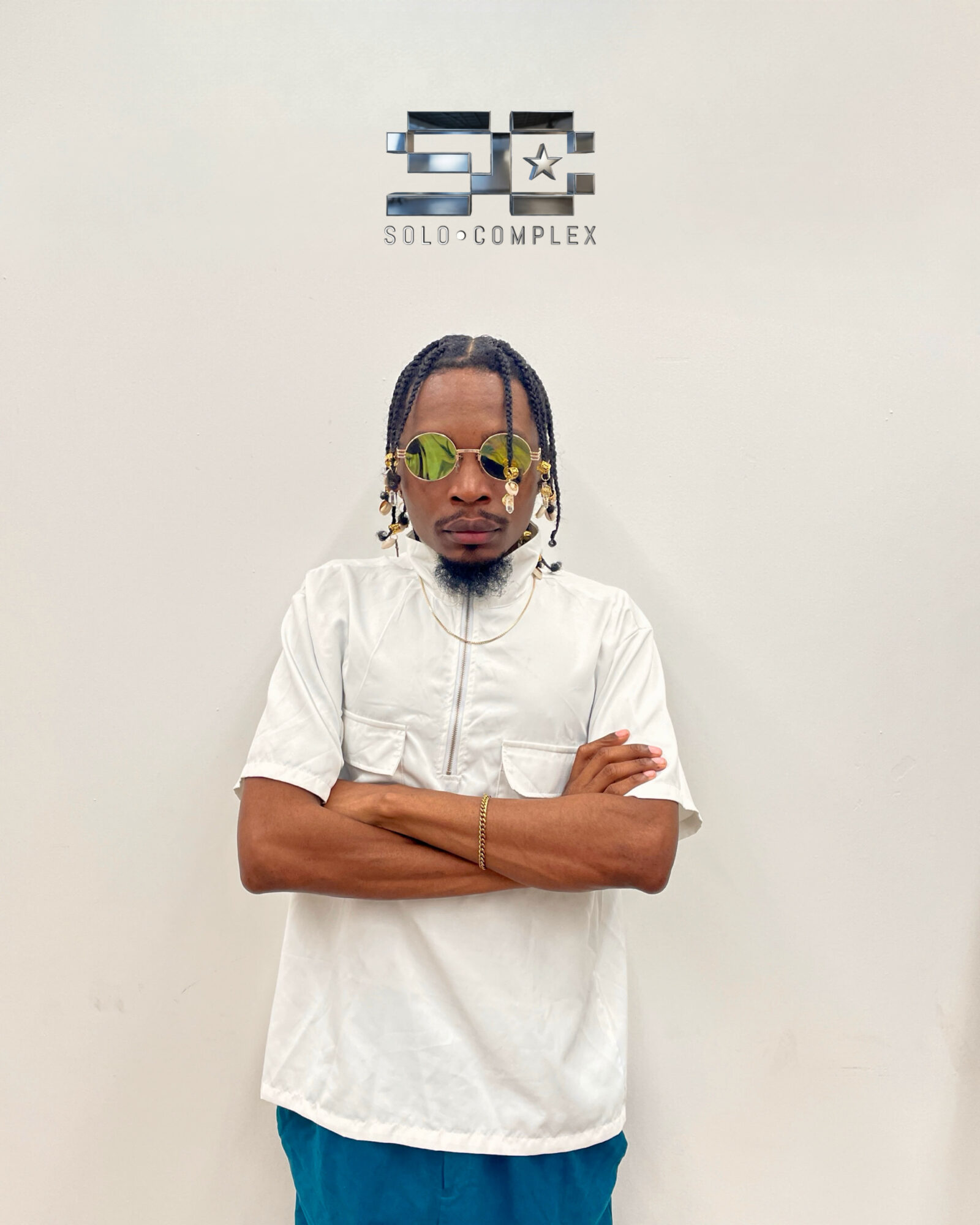
Today we’d like to introduce you to Tyrus Solomon.
Hi Tyrus, please kick things off for us with an introduction to yourself and your story.
I’m a self-taught multidisciplinary artist and designer, so Solo Complex really grew out of years of me working across visual art, fashion, illustration and large-scale projects. I’ve always been interested in more than just making something look good, I’m interested in how design can carry identity, culture and a real sense of place.
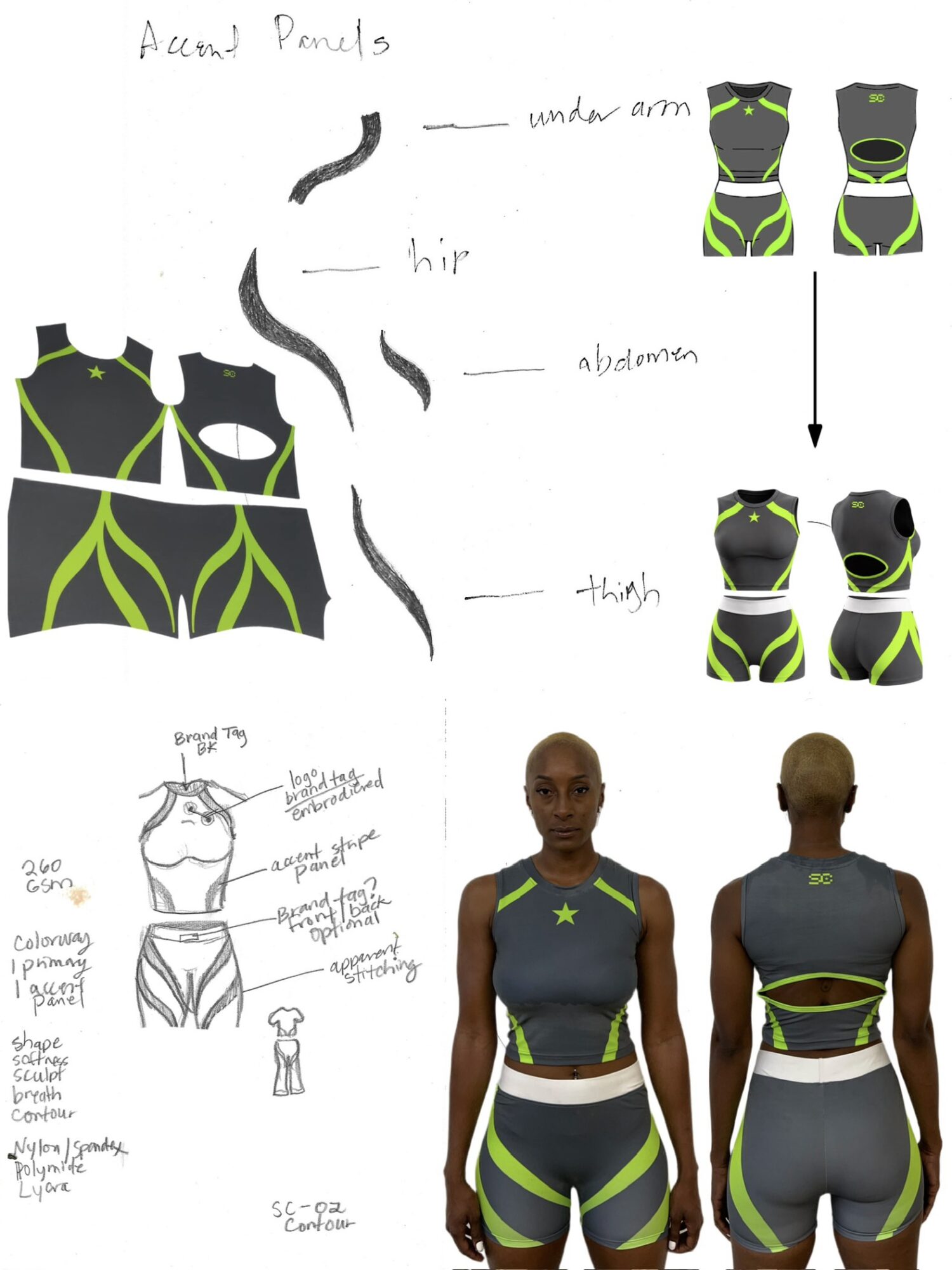
Over time, I started doing more apparel work for schools, organizations and different communities, and I realized I didn’t want to approach clothing like merchandise. I wanted to actually design product, you know? Thinking about silhouette, construction, materials, fit, function and how somebody would live in it.
That became Solo Complex. The brand sits somewhere between sportswear and streetwear, with a strong technical design language but still rooted in culture. I describe it as technical design, but lived in. I want the clothes to feel engineered without losing the personality of the people wearing them.
I’ve built it very independently from sketching and developing the garments to directing the visuals, working with manufacturers and even shooting a lot of the campaigns myself.
At the same time, I’ve continued developing custom apparel for teams, schools and organizations, which has allowed me to learn the production side in real time.
Right now I’m focused on growing Solo Complex piece by piece: strengthening the product, building a recognizable visual language and getting it into the right hands organically. I’m still early in the story, but the foundation is becoming really clear.
Can you talk to us a bit about the challenges and lessons you’ve learned along the way. Looking back would you say it’s been easy or smooth in retrospect?
Definitely not. A lot of Solo Complex has been built through trial, problem-solving and learning in real time. I didn’t come into fashion through a traditional design school or an established company, so I’ve had to teach myself a lot of the process from garment development and sourcing to manufacturing, production and how to communicate an idea clearly enough for someone else to make it.
One thing that has helped shape how I approach the brand is my background in UX design. I earned the Google UX Design Professional Certificate, and that training made me think more deeply about systems, user experience, problem-solving and how people actually interact with what you create. I carry that into apparel too. I’m not only thinking about how a garment looks, but how it fits into someone’s life, how it functions, how it feels, and how the entire brand experience connects.
One of the biggest challenges has been building at the level I envision while still being independent. Samples, production, campaigns and development all require resources, so I’ve had to be strategic about how I grow instead of trying to do everything at once. I’m often wearing several hats at the same time: designer, creative director, production manager, photographer and business owner.
There’s also been the challenge of getting people to understand that I’m not just putting graphics on clothes. I grew up an athlete so I understand the active language of apparel. I’m interested in the entire product—fit, construction, fabric, proportion, function and how it lives on a person. That has pushed me to become much more intentional about how I present the work and communicate what Solo Complex actually is.
But I think those limitations have shaped the brand in a good way. They’ve forced me to be resourceful, develop a strong point of view and understand multiple sides of the process. I’m still learning, but every project has made the next one sharper.
Great, so let’s talk business. Can you tell our readers more about what you do and what you think sets you apart from others?
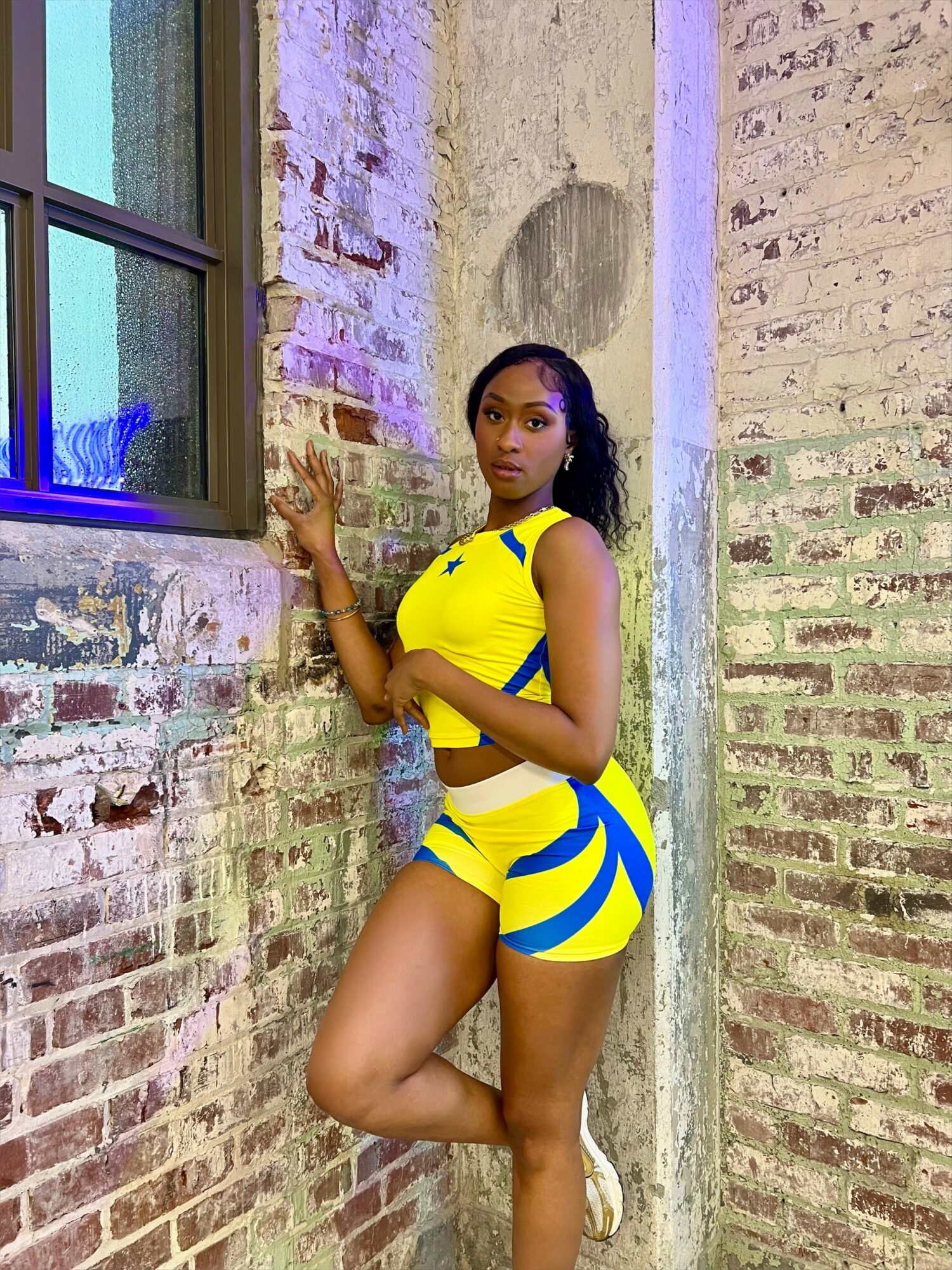
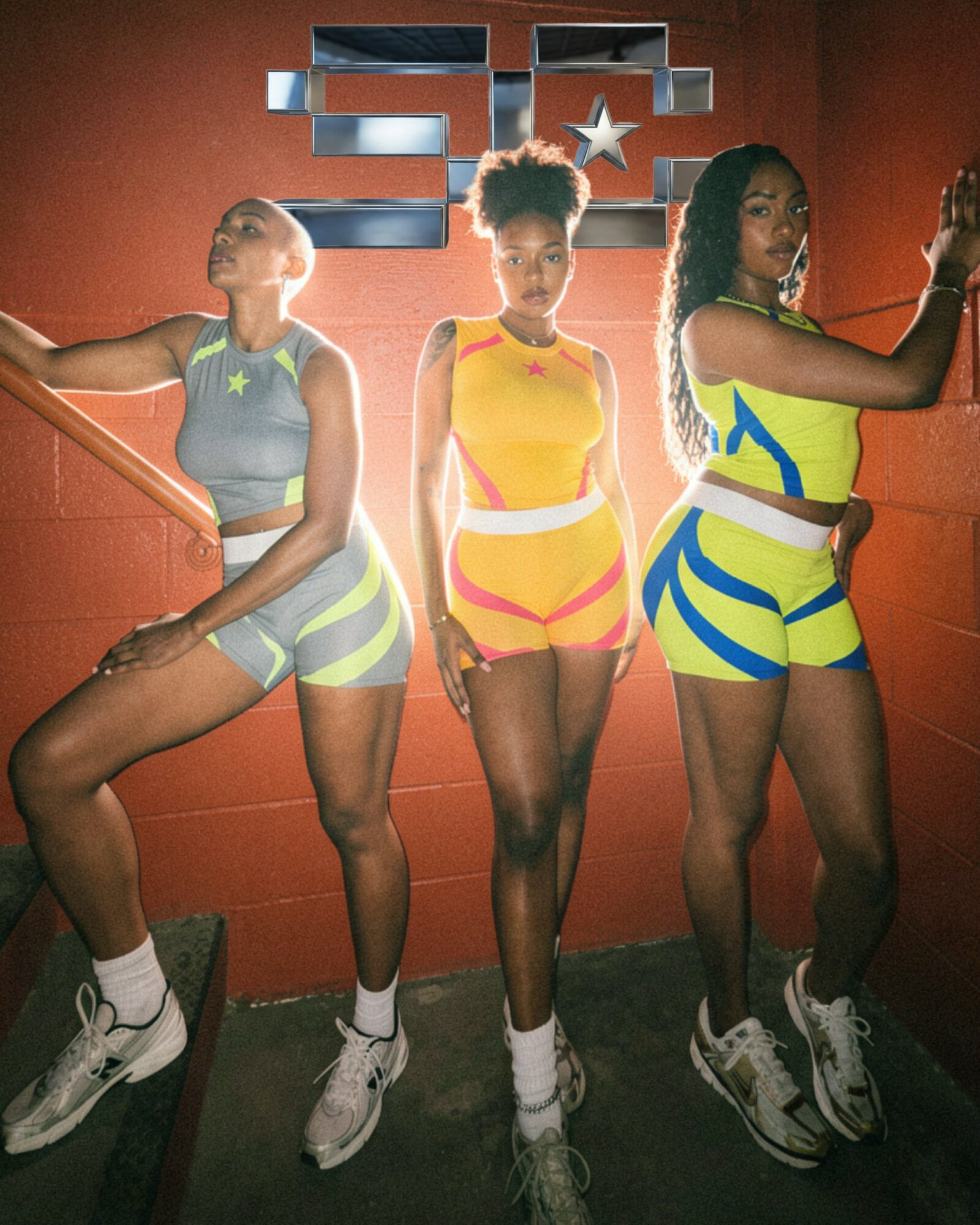
Solo Complex is an independent sportswear and streetwear brand built around the idea that technical design can still feel lived-in, cultural and personal. I’m interested in the space where performance, design and everyday style meet. The goal has never been to simply put graphics on garments—I think about silhouette, construction, proportion, fabric, function, color and how the piece actually feels on a person.
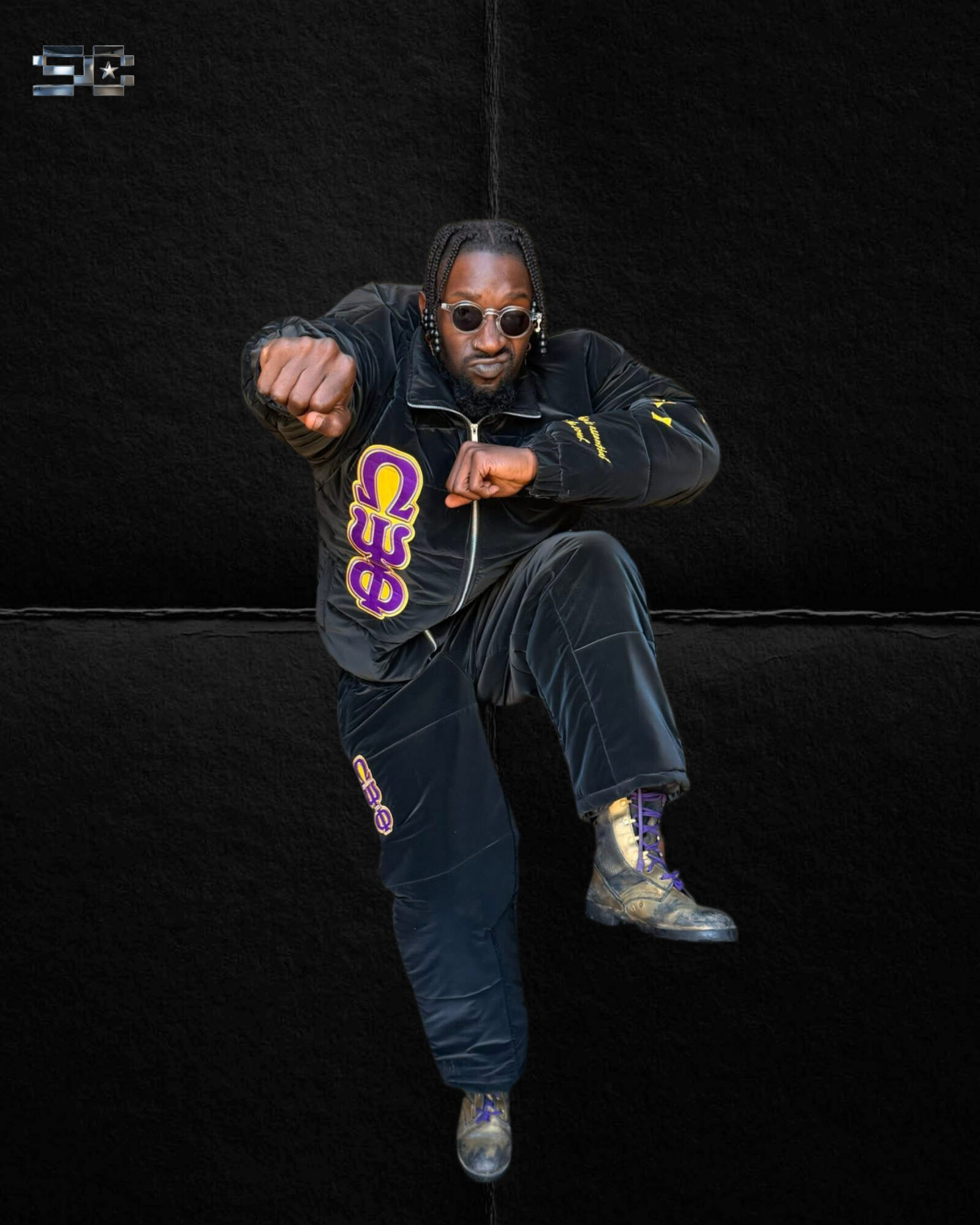
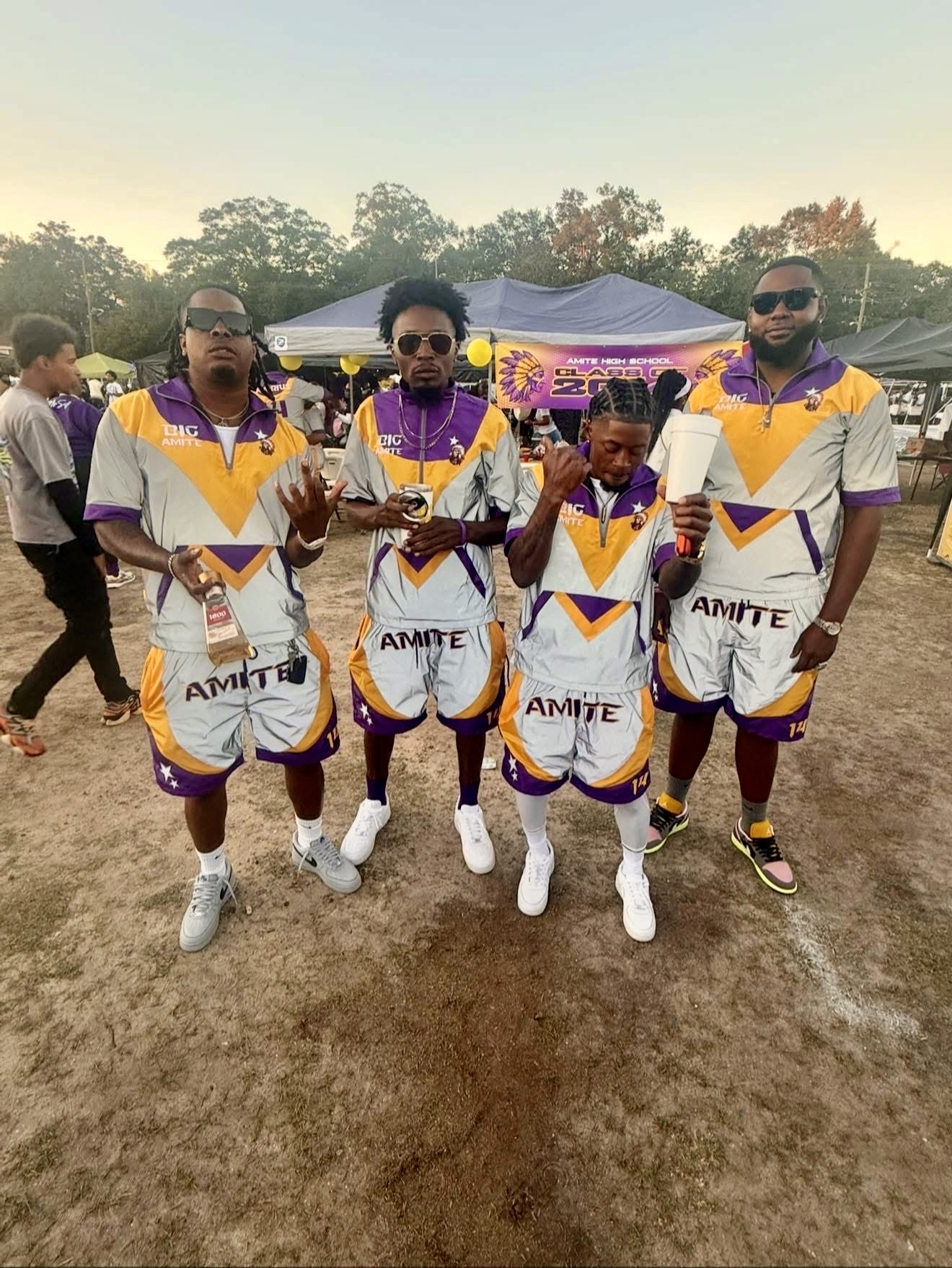
Alongside the consumer side of the brand, I also develop custom apparel for schools, teams, organizations and other clients. That work can range from concept and garment design to mockups, production management and delivery. I like being involved in the full process because it allows me to create something that feels specific to the people or community it’s being made for instead of relying on a generic blank-product approach.
What sets Solo Complex apart is the combination of my backgrounds. I come from visual art, design and UX, so I naturally think in systems. I’m considering the garment itself, the person wearing it, the campaign, the packaging, the website and the overall experience as pieces of the same world. Visually, I like the contrast between something that feels raw, familiar and rooted in culture while still being very intentional and engineered. A phrase I use for the brand is **“technical design, but lived in.”**
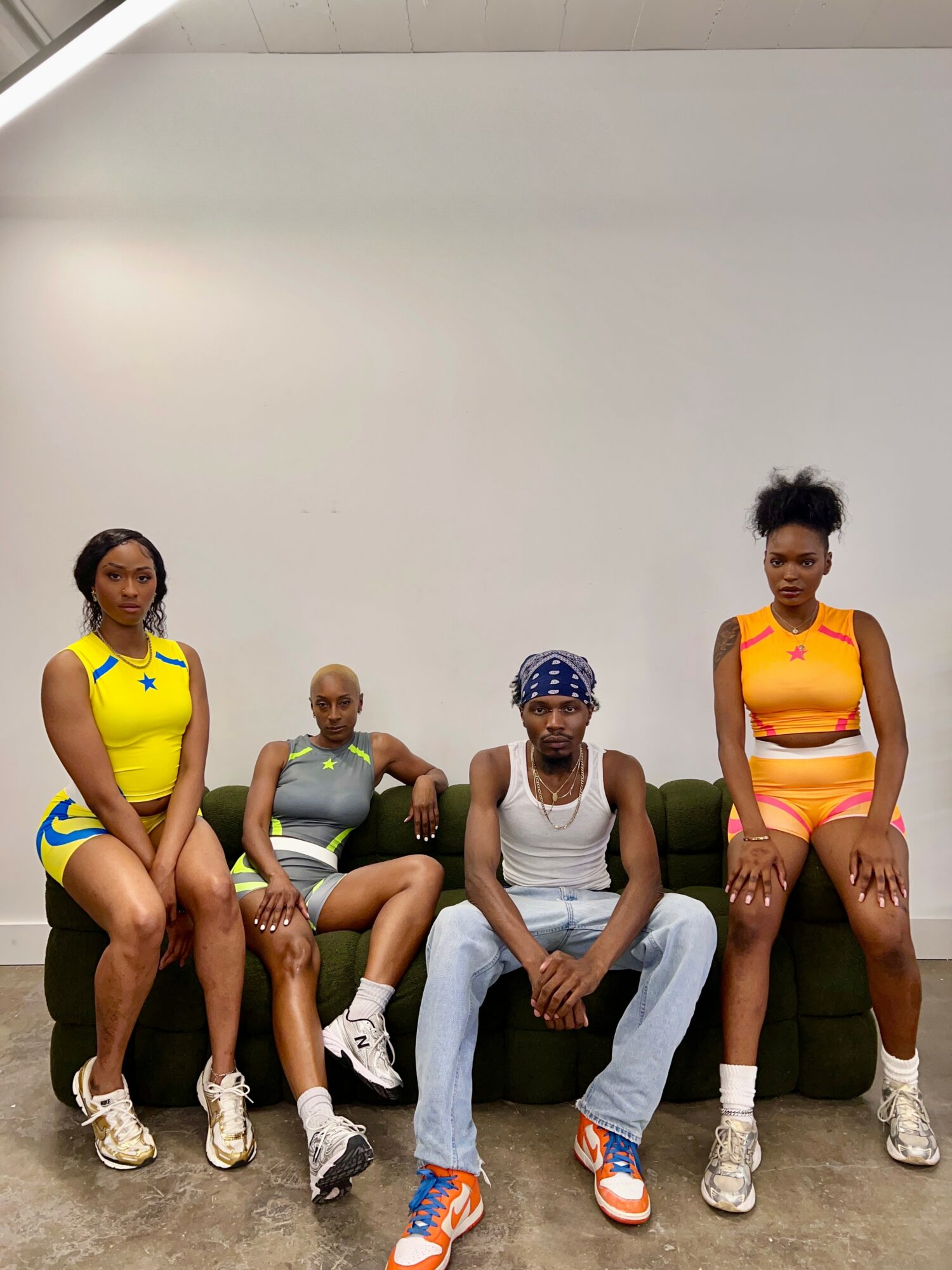
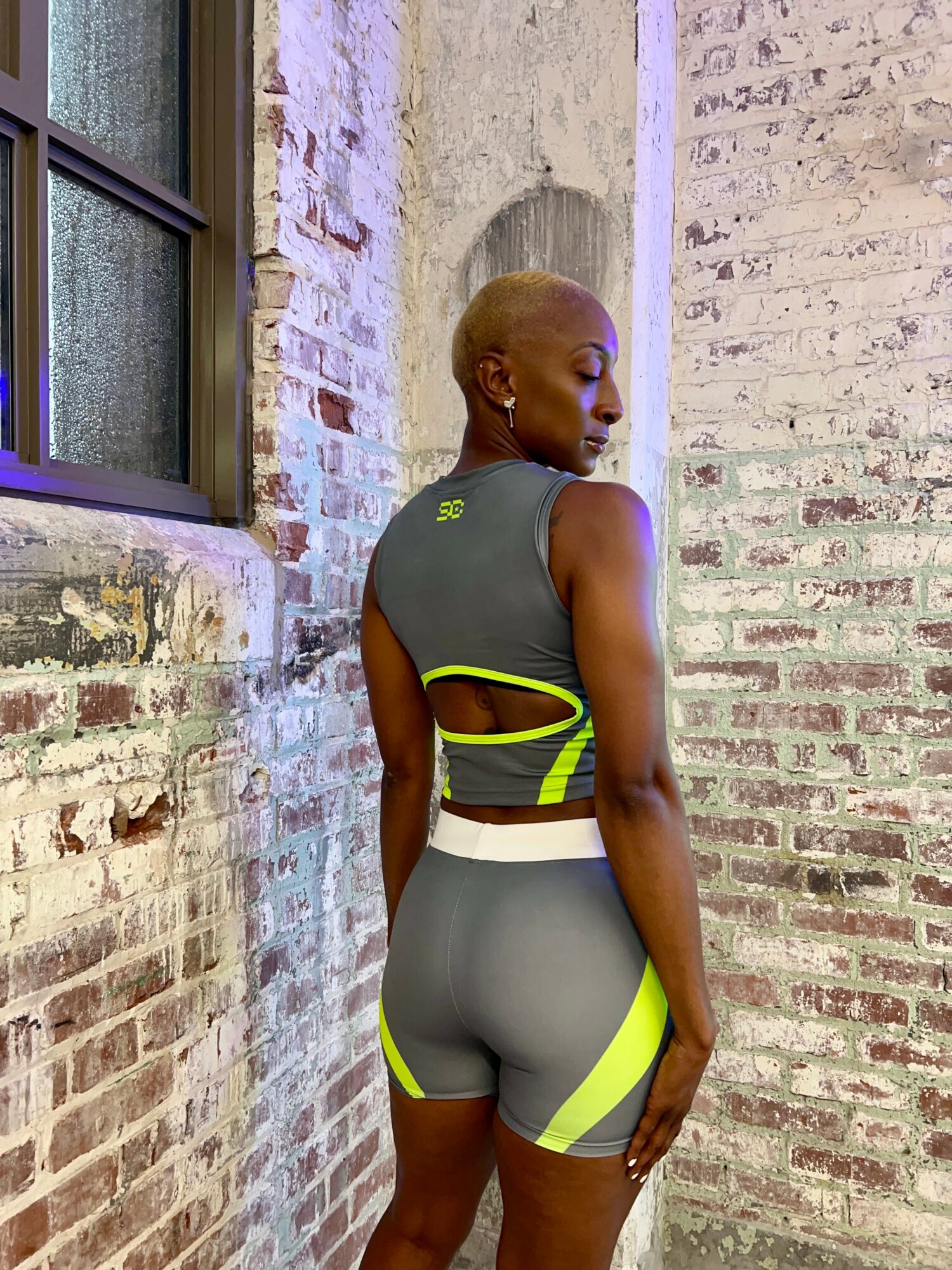
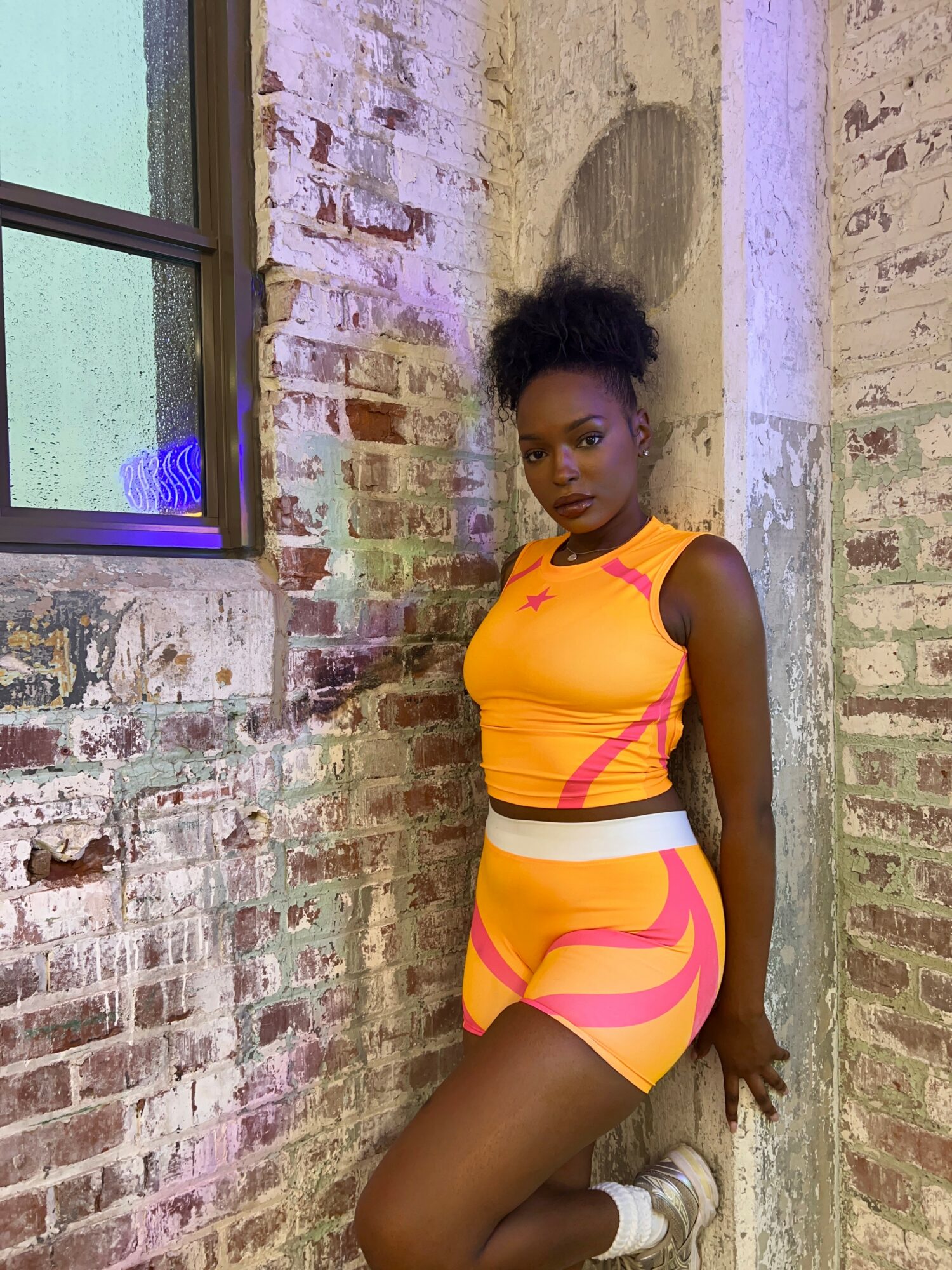
Brand-wise, I’m most proud that Solo Complex is beginning to have its own recognizable language. Collections like PowerPlay Contour have helped me push beyond simply making clothes and really build a point of view around fit, campaign direction, storytelling and product identity. I’ve built much of that independently—from sketching and developing garments to directing and shooting campaigns—and seeing all of those pieces start to connect has been really rewarding.
What I want people to know is that Solo Complex is still growing, but it’s being built with a long-term vision. Whether I’m designing a collection for the brand or developing apparel for a school or athletic program, I want the end result to feel considered, culturally relevant and specific. I’m interested in creating products that people actually want to live in—and building a brand that can move naturally between sport, street, community and design.
Is there something surprising that you feel even people who know you might not know about?
A surprising thing about me is that before people knew me primarily as an artist and designer, I was an athlete. I played football from elementary school all the way through high school and also ran track. I’m still naturally very athletic, which I think surprises people because it isn’t always what they expect when they meet someone whose career is so rooted in art and design.
Looking back, though, it makes Solo Complex make even more sense. Sports have been part of my visual language and personal experience for most of my life. I understand the feeling of uniforms, team culture, movement and performance from actually living in that environment. Now I get to combine that part of myself with the artist and designer I became.
Contact Info:
- Website: https://solocomplex.com
- Instagram: @solocomplex.us