
Today we’d like to introduce you to James Jin.
Hi James, please kick things off for us with an introduction to yourself and your story.
My story really begins in kindergarten, where I was that kid who couldn’t sit still and doodled instead of taking notes. Every week, my teachers were calling my parents, complaining about my “disruptive” behavior. For years, I genuinely thought something was wrong with me. Art became my escape, my way of letting all these millions of thoughts and emotions flow onto canvas when words just couldn’t capture what I was feeling.
It wasn’t until last year that I finally got my ADHD diagnosis. That day changed everything. I remember going online and discovering that some of the most brilliant artists in history, Leonardo da Vinci, Pablo Picasso, were neurodivergent like me. That’s when it clicked: I wasn’t alone, and I wasn’t broken.
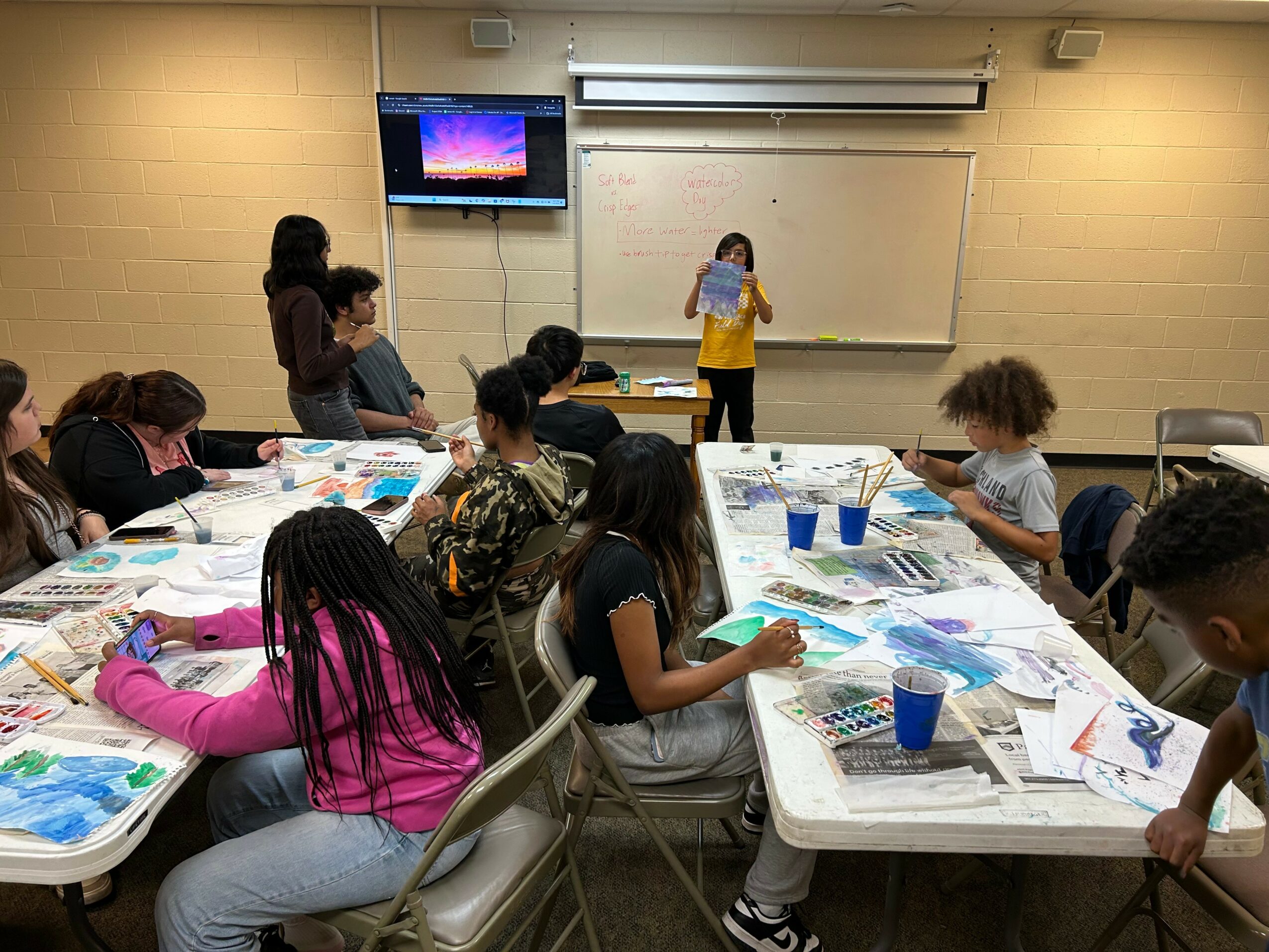
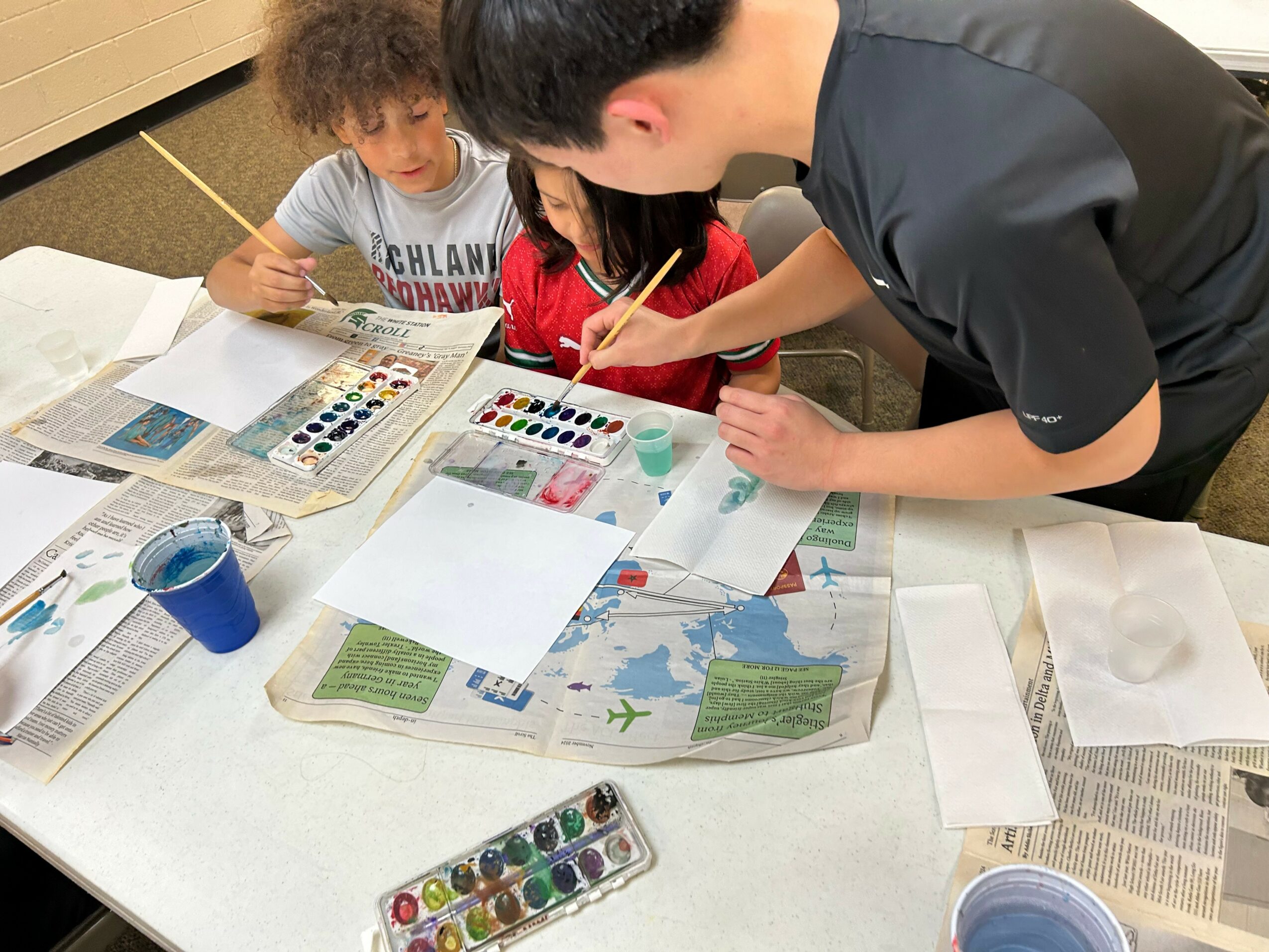
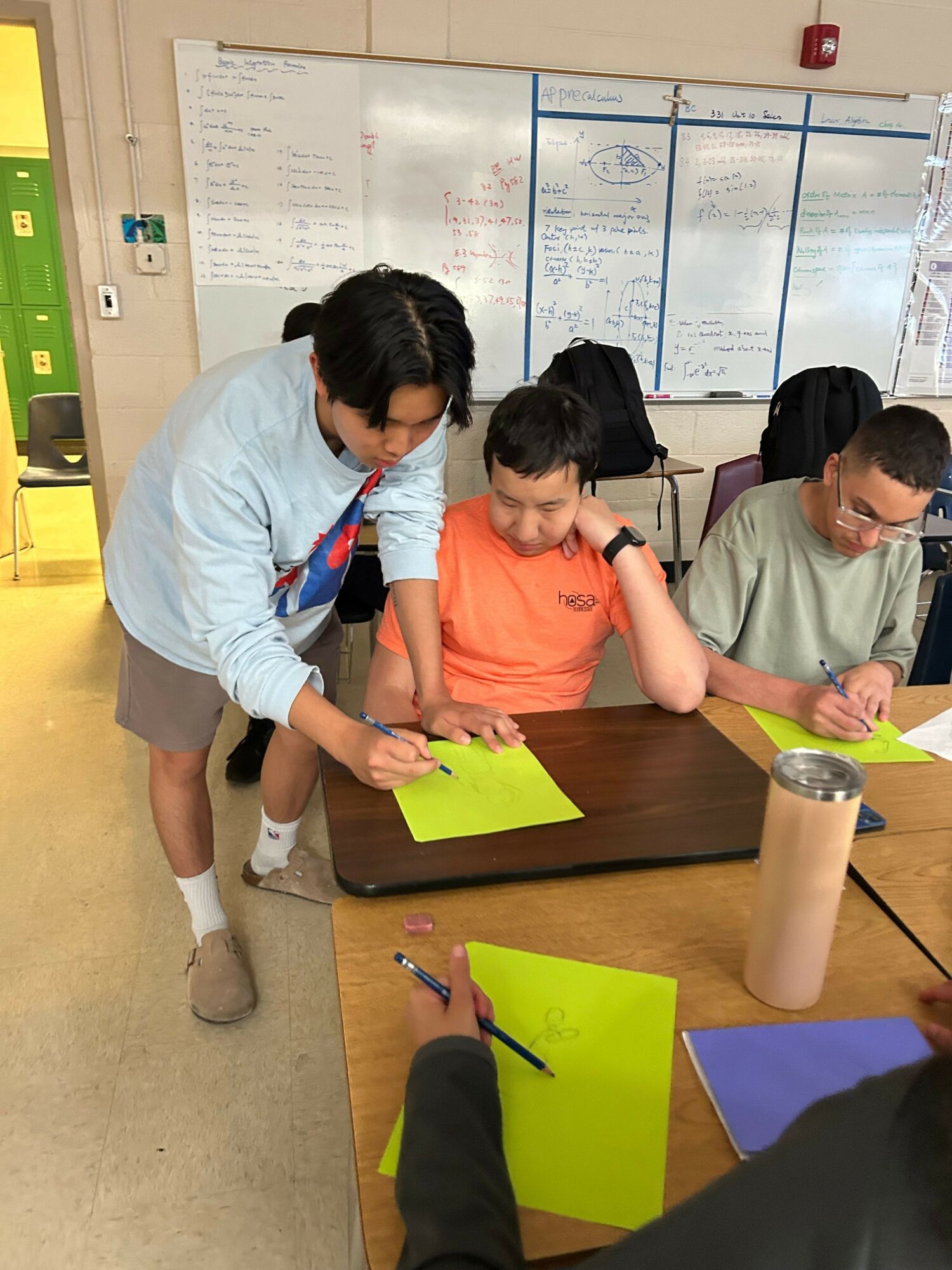
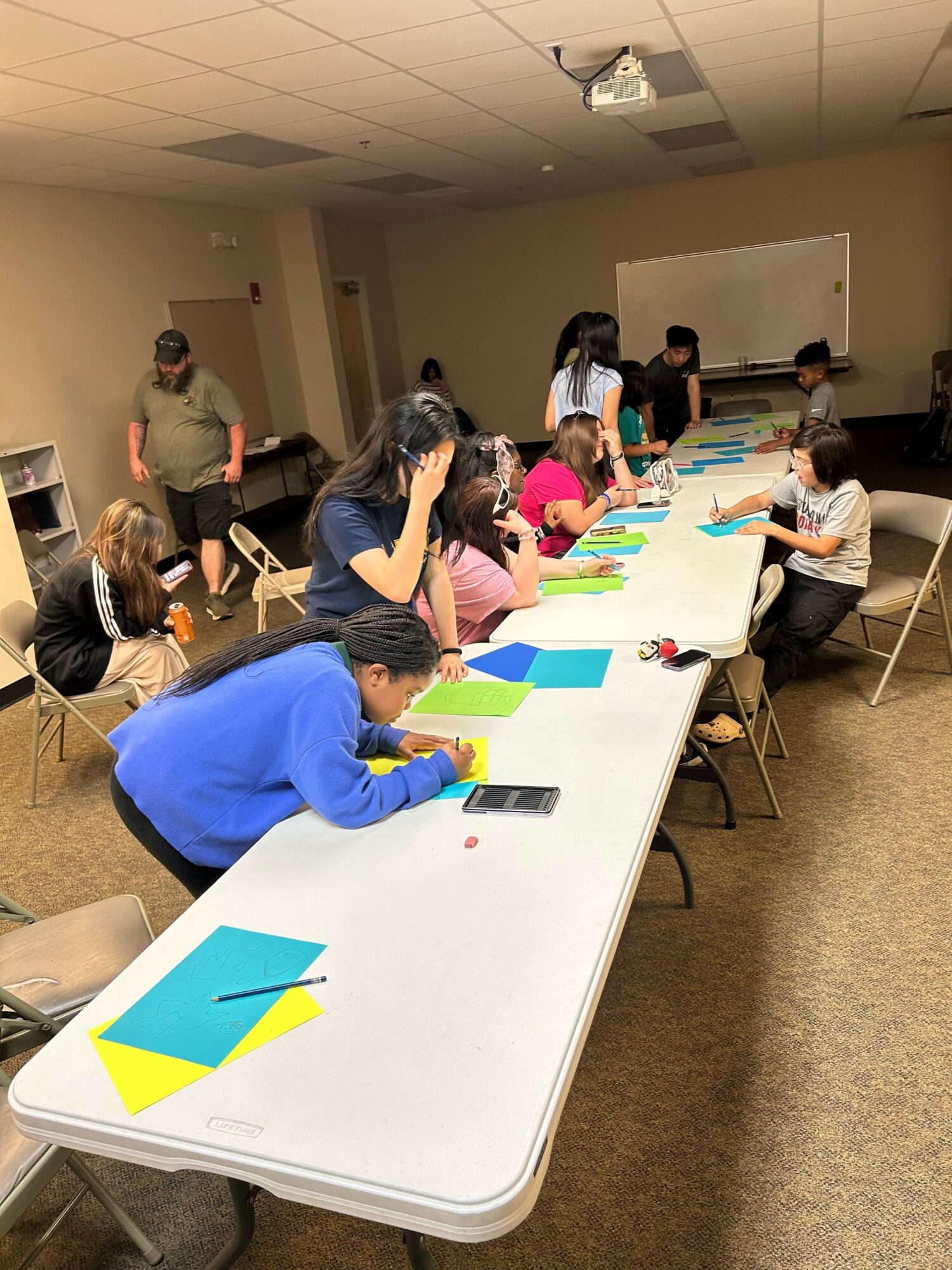
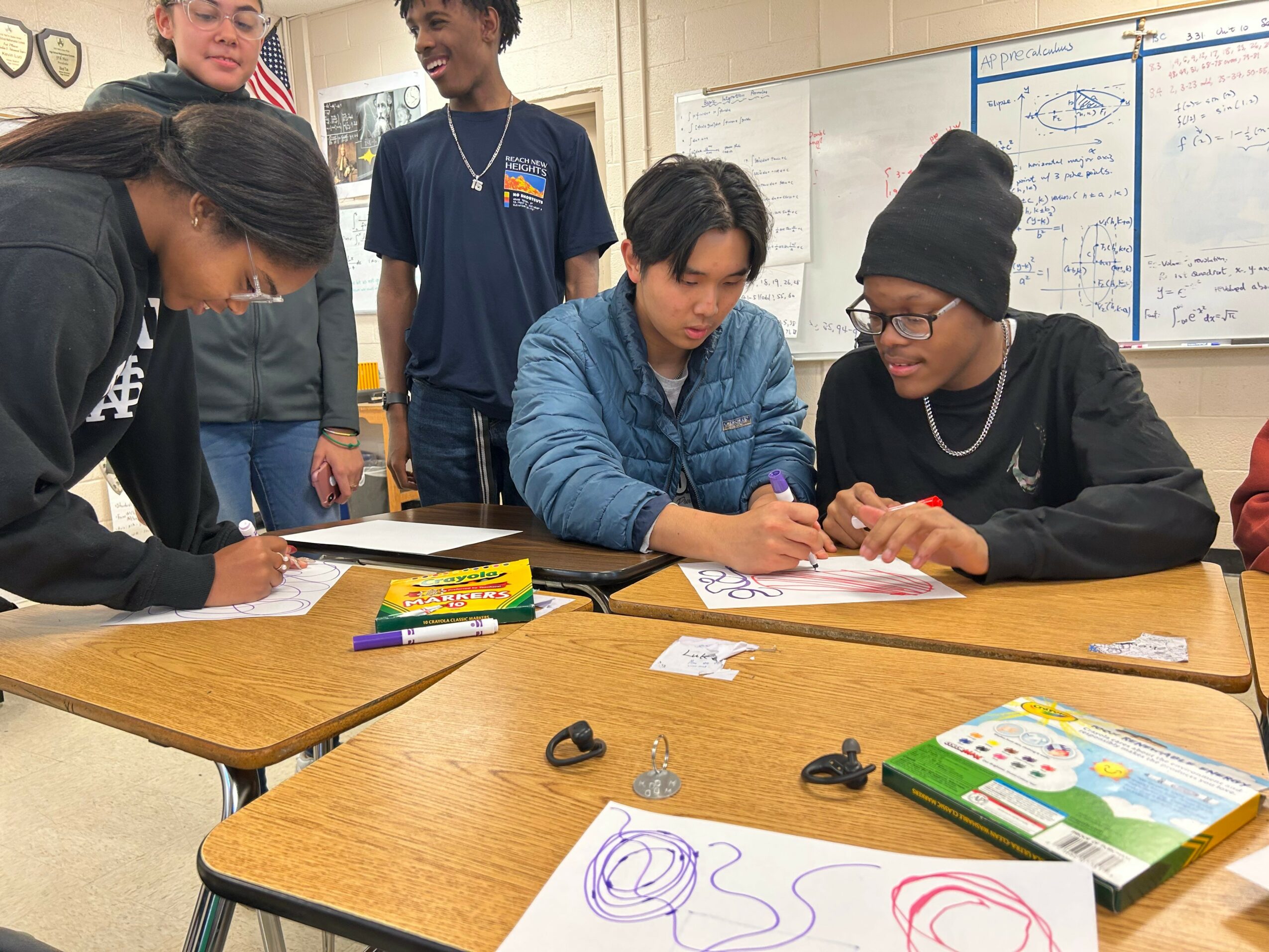
I started ArtFlow because I wanted to create the community I never had growing up. It began in my friend’s living room, just two neurodivergent kids from minority backgrounds who understood each other’s daily struggles. Our Friday afternoon drawing sessions transformed into something bigger when 25+ students started showing up, each bringing their unique perspectives to paper.
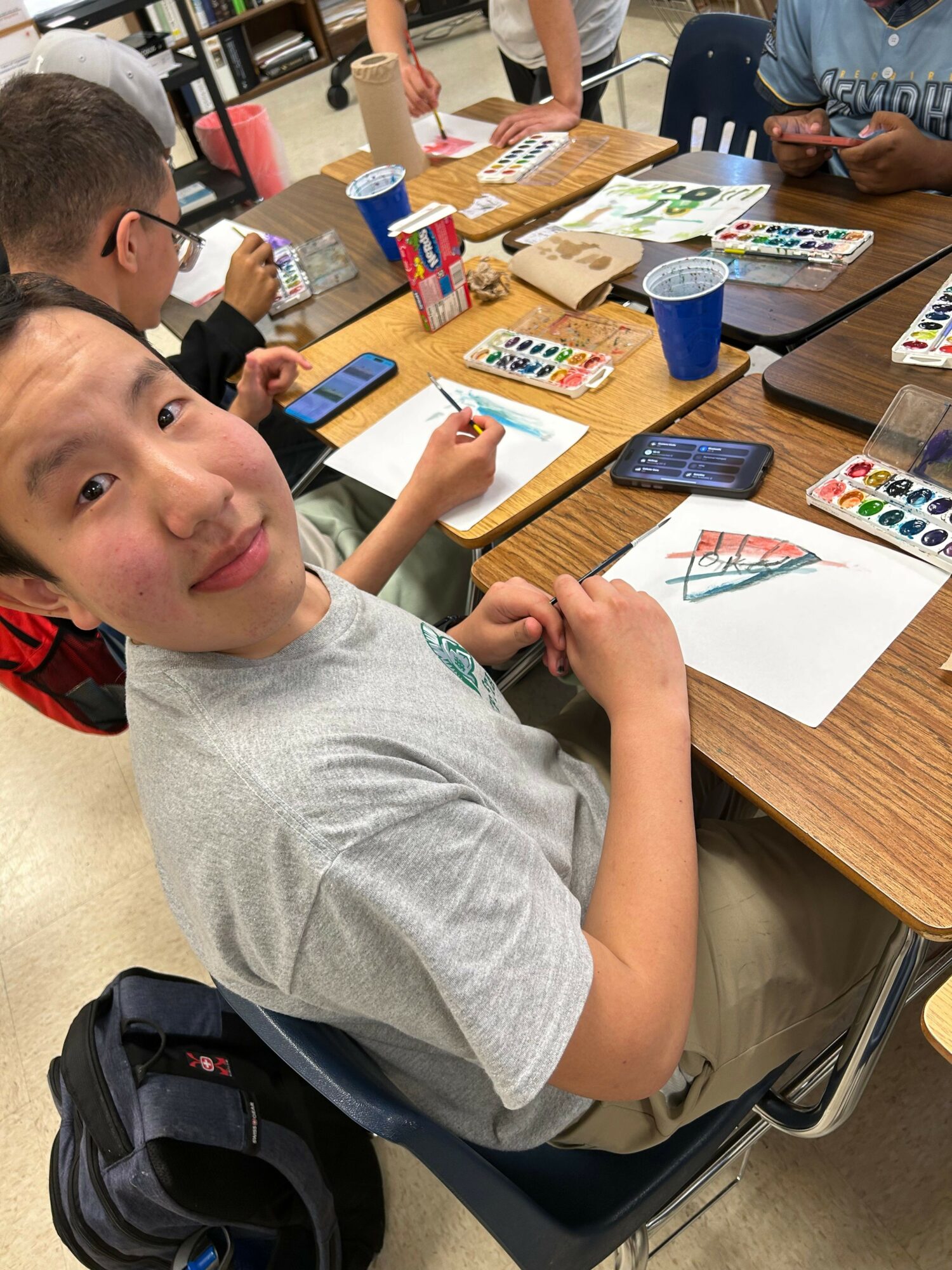
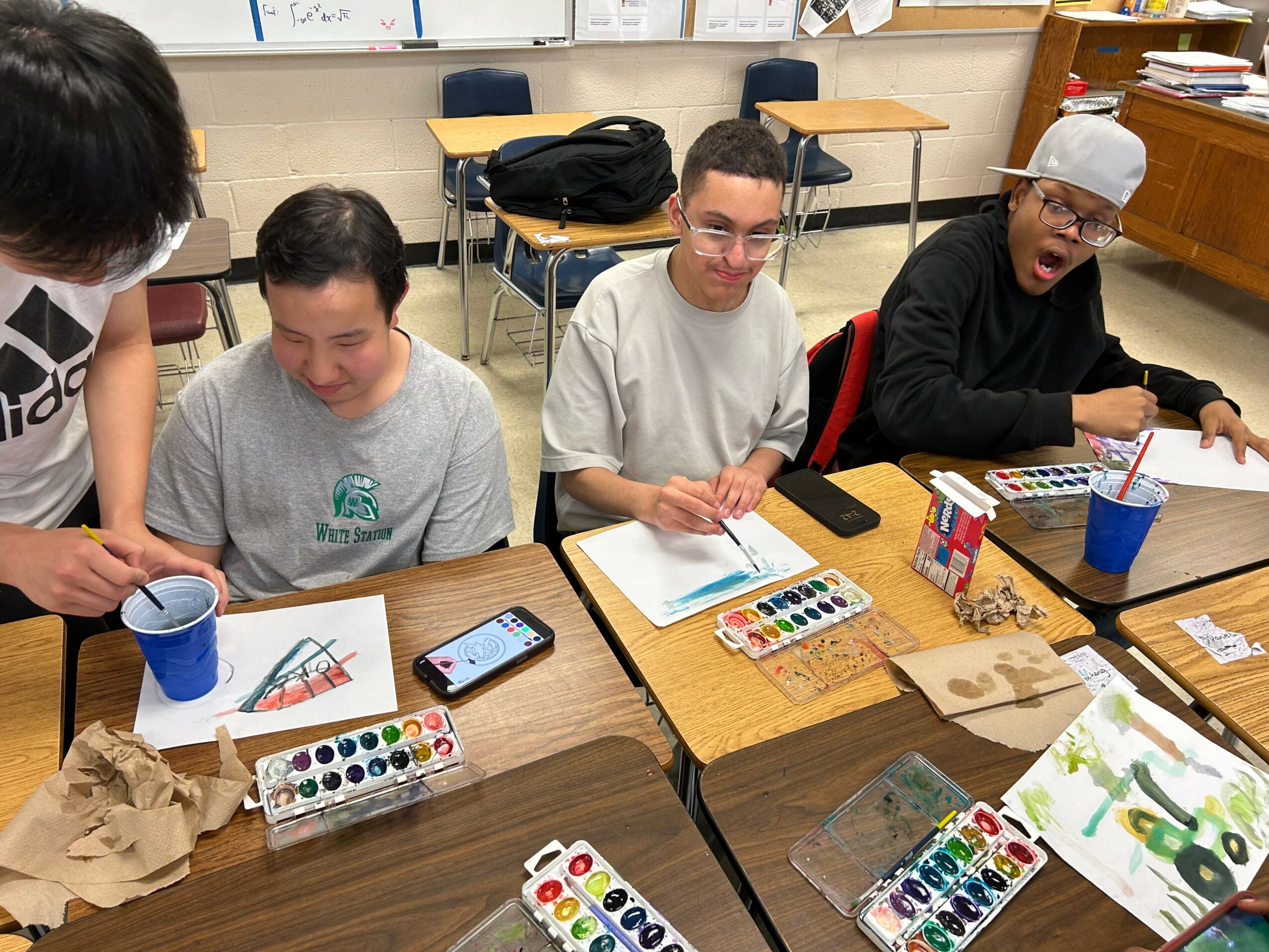
What started as a safe space within a living room in East Memphis is now a nation-wide initiative. We’ve partnered with many districts including Memphis Shelby County Schools to reach all 214 schools, impacted over thousands of students and educators, and formed partnerships with institutions like the Brooks Museum, Dixon Museum, Memphis Office of Youth Services, and much more. Our goal is to show the world that neurodivergent students aren’t problems to be fixed, they’re creative superpowers waiting to be unleashed.
Can you talk to us a bit about the challenges and lessons you’ve learned along the way. Looking back would you say it’s been easy or smooth in retrospect?
Definitely not a smooth road. The biggest struggle has been confronting the harsh reality of educational inequity firsthand. When I started expanding beyond that original living room, I witnessed something that made it clear that this was a systemic issue that needed addressing, schools in affluent areas had endless art supplies while schools serving predominantly Black and Hispanic students had practically nothing. As someone who’s felt overlooked myself, seeing that disparity wasn’t just disappointing, rather, it was personal.
Another major challenge was battling the cultural stigmas around neurodivergence in my own community. For years, my parents resisted getting me diagnosed because of the shame and misunderstanding surrounding ADHD in our ethnic community. Even after I finally got my diagnosis, I had to constantly advocate for why this work mattered , not just to school administrators, but sometimes to families who saw neurodivergence as something to hide rather than celebrate.
The transition from 25 kids in a friend’s living room to managing district and even statewide programs and events was honestly overwhelming at times. Suddenly I’m a high school student trying to write 10-page proposals, coordinate with special education departments, manage different partnerships, and develop a curriculum that actually works. Some weeks I was putting in 20+ hours just orchestrating sessions while still being a full-time student. I had to learn leadership and management skills that school didn’t always teach.
Resource allocation became this constant balancing act. How do you distribute supplies fairly when some schools have nothing and others have everything? We created an inventory tracker where student leaders log supplies weekly, but even that system took months to develop and implement properly.
And then there’s the responsibility that comes with the role. When a student tells you they’ve never felt understood before, or when a parent thanking you for helping their child believe in themselves, that’s incredible, but it’s also a lot of responsibility for someone who’s still figuring out their own identity. Every success story reminds me how many kids are still sitting in classrooms feeling the way I used to feel, thinking something’s wrong with them.
Getting buy-in from principals, navigating district policies, proving that a teenager could run something this complex, I constantly had to prove myself in rooms where I was the youngest person by decades. But every struggle taught me something about resilience and fighting for what you believe in, even when the path isn’t clear.
Thanks – so what else should our readers know about your work and what you’re currently focused on?
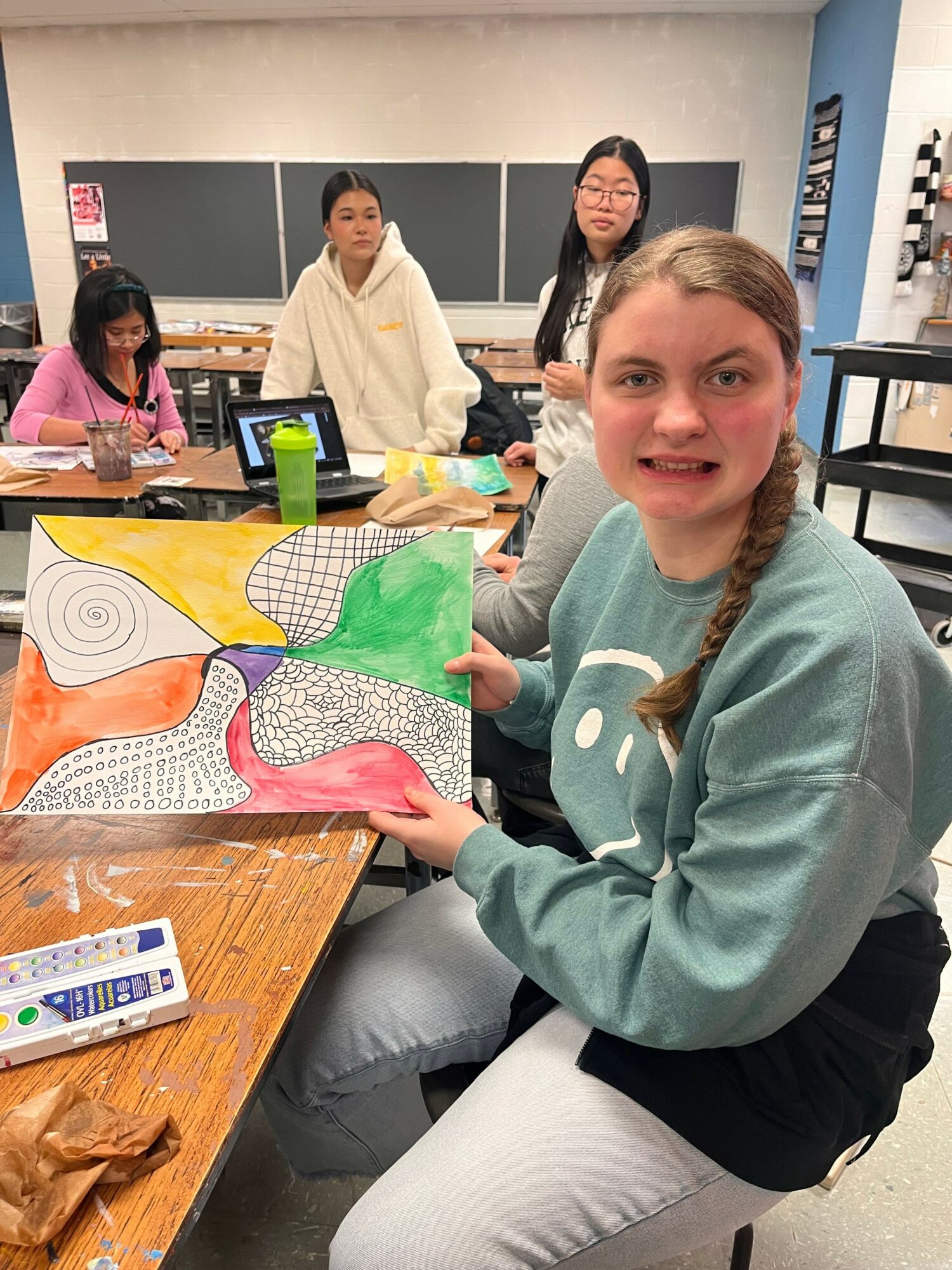
ArtFlow is a non-profit that mentors neurodivergent and racial minority children through creative artistic expression. But we’re more than just an art program, we’re a revolution changing how society views these students.
What sets us apart is our strategic approach. Instead of just setting up art tables, we work directly with school administrators first, then pass facilitation to art teachers and student leaders. This administrative-first approach has been incredibly effective for rapid school onboarding. We provide structured tri-weekly sessions, forge partnerships with special education departments, and implement a curriculum that champions neurodivergent expression.
Our programming includes after-school sessions, museum exhibitions, fundraisers, summer programs, and partnerships with world-renowned artists. We’ve created an inventory tracker to ensure equitable resource distribution, 70% of donated supplies go to underserved locations that lack resources or the student body to lead. This transparency and systematic approach to equity is something I’m particularly proud of.
We specialize in creating spaces where neurodivergent students can embrace their unique perspectives rather than hide them. Through partnerships with Contemporary Arts Memphis, Memphis United, and the City of Memphis Youth Services, we’re demonstrating that this model can transform entire school districts.
Risk taking is a topic that people have widely differing views on – we’d love to hear your thoughts.
I’ve had to become comfortable with risk because everything about ArtFlow has been uncharted territory. When I first pitched the idea to expand from a living room to schools, people questioned whether a high schooler could manage something this complex. That was a massive risk, putting myself out there as the face of an organization when I was still figuring out my own identity as someone with ADHD.
The biggest risk was probably committing to district-wide expansion across all 214 MSCS schools. That’s scaling up while maintaining quality and our core mission. We’re talking about developing digital infrastructure, training hundreds of facilitators, and creating sustainable systems that don’t depend on me being personally involved in every session.
But here’s how I think about risk: when you’re fighting for something bigger than yourself, the risk of not trying becomes greater than the risk of failure. Every neurodivergent kid who’s sitting in a classroom right now, feeling like something’s wrong with them the way I did, that’s what drives me to take these risks.
I’ve learned that calculated risks are different from reckless ones. Before expanding to each new school, we developed clear systems, trained leaders, and created accountability measures. The risk isn’t eliminated, but it’s managed through preparation and authentic commitment to our mission.
My perspective is that risk-taking becomes easier when you’re deeply connected to your purpose. When I see the impact we’re making, students receiving diagnoses, artists discovering their voices, entire school communities embracing neurodivergence, those outcomes justify every decision I’ve had to make along the way.
Contact Info:
- Website: https://www.artflowstudio.org/
- Instagram: https://www.instagram.com/artflowusa/
- Youtube: https://www.youtube.com/@ArtFlow-b1p