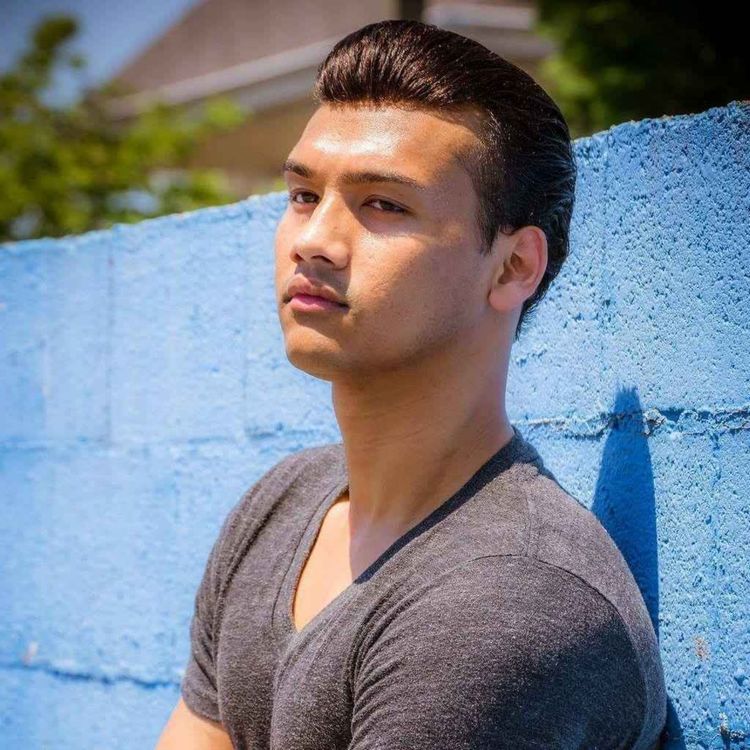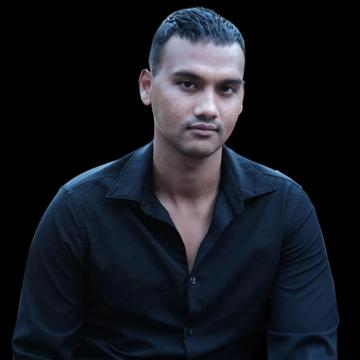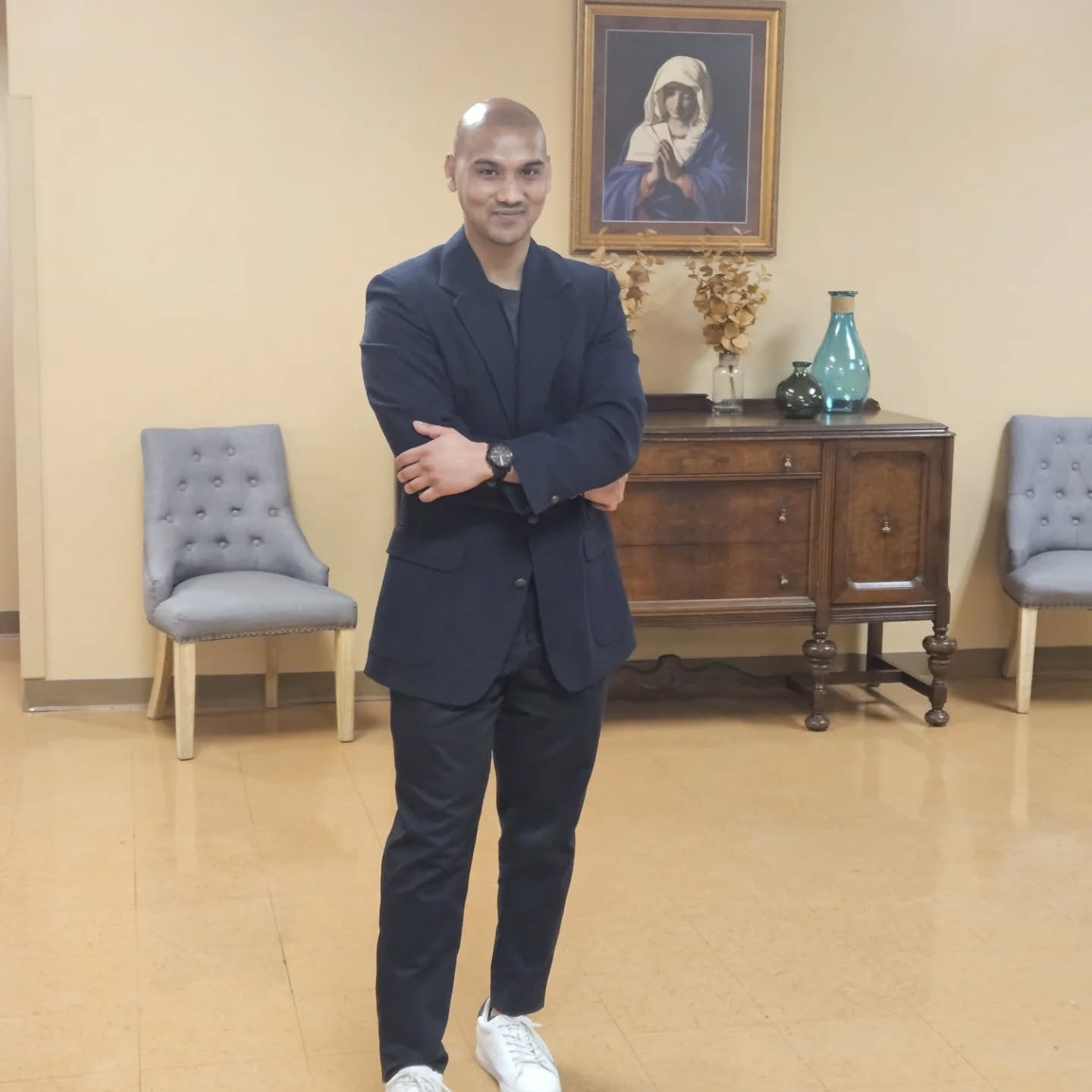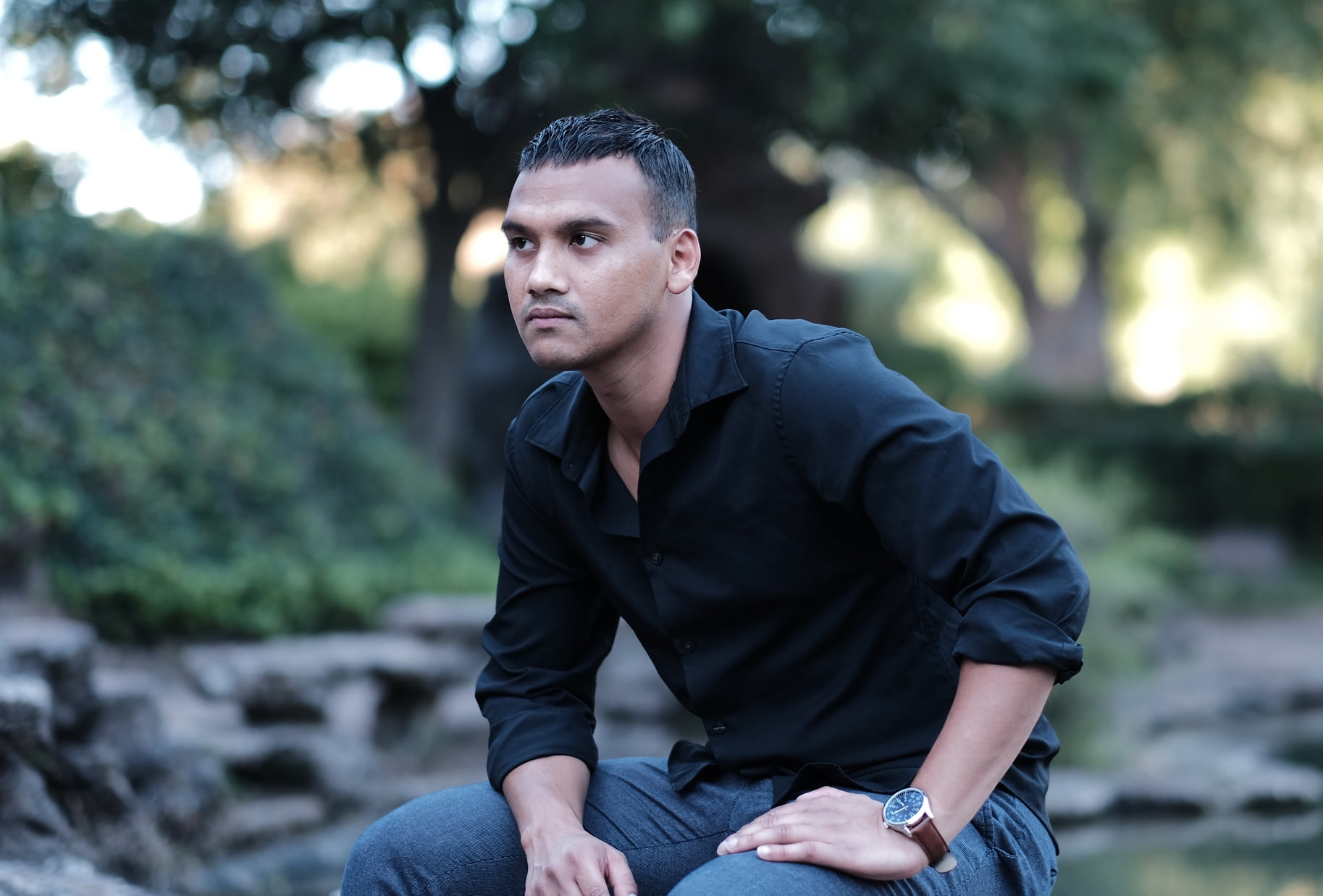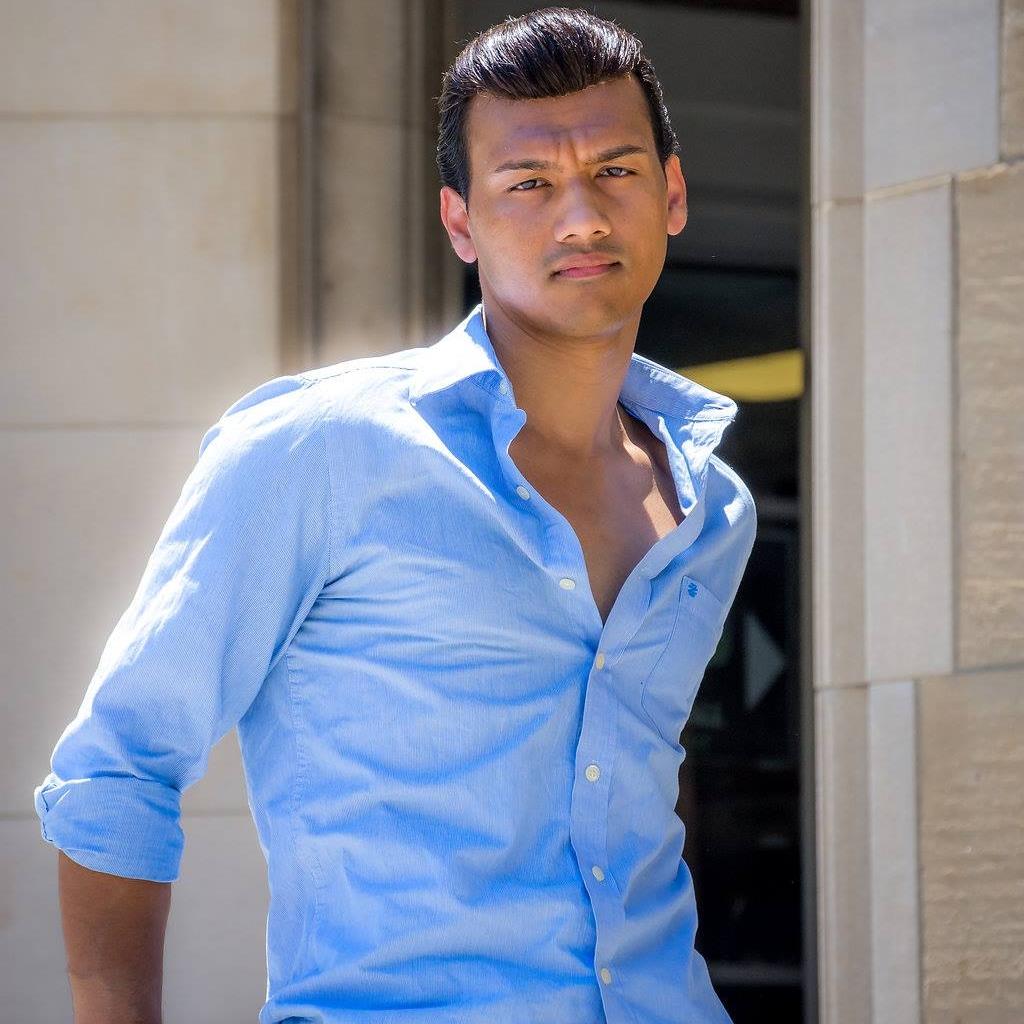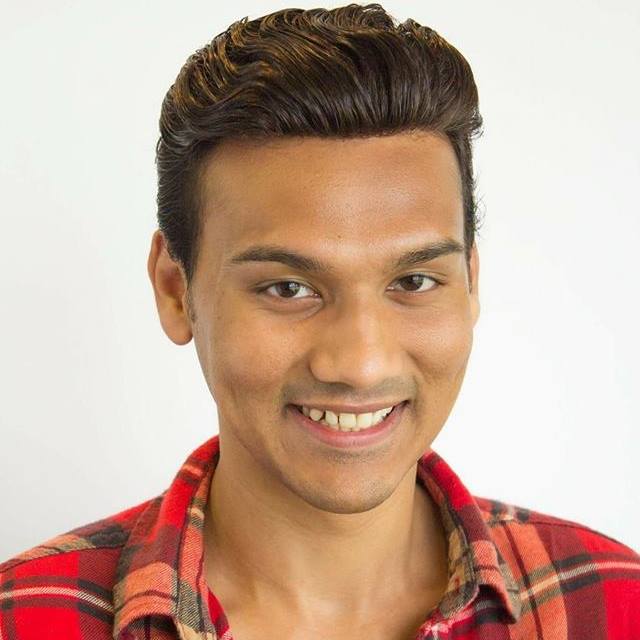
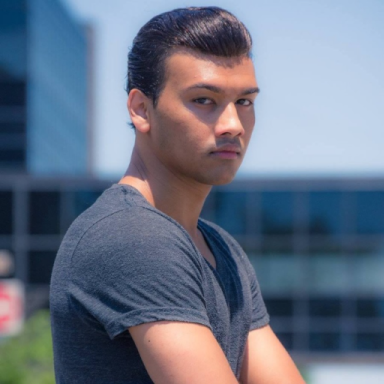
Today we’d like to introduce you to Rafi Chowdhury.
Hi Rafi, can you start by introducing yourself? We’d love to learn more about how you got to where you are today?
I didn’t start out with a clear plan or a straight line.
I grew up constantly curious about how things worked, especially systems, people, and decisions behind the scenes. Early on, I realized I was less interested in just “using” technology and more interested in understanding why it worked the way it did and how it could be improved. That curiosity pushed me into technology, business analysis, and eventually solution design.
My career really took shape when I started working at the intersection of technology and people. Instead of writing code in isolation, I focused on translating real business problems into scalable, practical systems. Over time, that led me into enterprise environments where the stakes were high, the systems were complex, and the impact was real.
Today, I work as a Solutions Architect supporting large-scale platforms and transformation initiatives tied to mission-driven organizations, including work connected to St. Jude Children’s Research Hospital. My role is to zoom out, connect dots across teams, and design solutions that actually make life easier for users instead of more complicated.
Outside of my day job, I’ve built a personal brand through writing, speaking, and podcasting. I interview founders, executives, and experts to highlight the parts of success people rarely talk about: the uncertainty, the setbacks, and the long stretches of invisible work. That storytelling side grew naturally from my own journey, because I know how powerful it is to hear that someone else struggled too.
What ties everything together is this: I’ve always been focused on building things that last. Systems. Ideas. Relationships. Whether it’s technology, content, or community, my path has been about creating clarity where there was confusion and momentum where there was stagnation.
I’m still building. And that’s the part I enjoy most.
I’m sure it wasn’t obstacle-free, but would you say the journey has been fairly smooth so far?
Not at all. It’s been anything but smooth.
One of the biggest challenges early on was not having a clear roadmap or safety net. I had to figure things out largely on my own, often by trial and error. There were stretches where I felt stuck, questioning whether I was moving in the right direction or just spinning my wheels. Watching other people seem to “move faster” or hit milestones sooner was tough mentally.
Professionally, breaking into higher-level roles came with its own frustrations. I had the skills, but getting decision-makers to see past titles and give me real responsibility took time. I had to learn how to advocate for myself, communicate my value clearly, and stay patient when progress felt slow. There were also moments where projects didn’t go as planned, timelines shifted, or priorities changed overnight. That can wear on you if you let it.
On a personal level, balancing ambition with real life has been a constant challenge. There were periods of burnout, long hours, and moments where I wondered if the grind was worth it. I’ve had to learn the hard way how to manage energy, not just time.
What kept me going was the understanding that struggle doesn’t mean failure. Most of the growth happened in the uncomfortable phases when nothing felt certain. Looking back, those obstacles forced me to build resilience, discipline, and perspective. They shaped how I work today and how I handle pressure, setbacks, and responsibility.
I wouldn’t trade those challenges, even the difficult ones. They’re a big reason I’m able to do what I do now.
Can you tell our readers more about what you do and what you think sets you apart from others?
At my core, I’m a Solutions Architect, but the work goes far beyond diagrams and systems.
I specialize in sitting between business, technology, and people. My job is to take complex problems, often involving multiple teams and legacy systems, and turn them into clear, workable solutions that actually get adopted. A lot of my focus has been on large-scale platforms, identity and access systems, and enterprise workflows where small decisions can have a big downstream impact.
What I’m most known for is my ability to zoom out. I don’t just design for what works today, I design for what will still make sense a year or two from now. That means asking uncomfortable questions early, spotting risks before they become expensive, and helping teams align when priorities are pulling in different directions.
I’m especially proud of the work I’ve done supporting mission-driven organizations, including projects connected to St. Jude Children’s Research Hospital. Knowing that the systems I help design ultimately support research, families, and life-saving work adds a deeper level of meaning to what I do.
What sets me apart is how much I care about clarity. I spend a lot of time translating technical ideas into plain language so non-technical stakeholders can make confident decisions. I also take ownership beyond my job description. If something is unclear or broken, I don’t wait for it to become “my problem.” I step in, help untangle it, and move things forward.
At the end of the day, I’m most proud when teams walk away saying, “This finally makes sense.” That’s when I know I’ve done my job well.
What are your plans for the future?
I think about the future every single day. Not in a vague way, but in a very intentional, almost obsessive way.
One of my biggest personal goals is to become a chess master. Chess has been a lifelong teacher for me. It sharpens discipline, patience, emotional control, and long-term thinking. I do not see it as a hobby. I see it as a mirror of life. The grind, the setbacks, the quiet hours of study when no one is watching. That journey matters to me because it represents mastery earned the hard way.
Long-term, I want to take that passion back to where it all started. I grew up in Bangladesh, and one of my deepest goals is to start a school there. A place that gives kids access to structured thinking, education, and opportunity. Not just academics, but how to think. How to build confidence. How to believe that their circumstances do not define their ceiling. Giving back to the country that raised me is not optional for me. It is a responsibility.
I also have very ambitious financial goals. Not for status, but for freedom and leverage. I want to build a chain of vegan restaurants focused on health, longevity, and accessibility. Food changed my life. I want to create places that make healthy choices easier for everyday people, not something reserved for a small group with privilege. Building something tangible that serves people directly matters to me.
Academically, I plan to pursue a doctorate in cognitive psychology. The human mind fascinates me. I want to spend years studying it deeply, in the lab and through research, and then do something most people never do. Translate that knowledge into language that normal people can actually use. I want to write books, give talks, and teach in a way that takes complex ideas about decision-making, discipline, focus, and behavior and makes them practical. Something people can apply the same day they hear it.
Ultimately, my long-term vision is to work full-time as a cognitive psychologist, speaking, teaching, and publishing. Helping people understand themselves better and perform at a higher level in their own lives.
What drives all of this is a mentality I live by every day. A constant push for growth. A refusal to settle. A mindset similar to what people associate with David Goggins or Kobe Bryant. Not because it sounds inspiring, but because it demands accountability. I believe in earning confidence through effort. In choosing discomfort. In chasing excellence even when no one is watching.
I am always striving for greatness. Not perfection, but progress. And everything I am building is connected to that same core belief. If I am going to do something, I want to do it fully, with purpose, and in a way that leaves something meaningful behind.
That is what I am working toward.
Pricing:
- $69 for a 1-hour consulting session on landing an IT job in six months or less
Contact Info:
- Website: https://www.rafichowdhury.com
- Instagram: https://www.instagram.com/rafi.chowdhury1220/
- Facebook: https://www.facebook.com/rafichowdhury.entrepreneur
- LinkedIn: https://www.linkedin.com/in/rafichowdhury/
- Twitter: https://x.com/_rafichowdhury
- Youtube: https://www.youtube.com/@RafiChowdhury1406
- Other: https://www.chowdhurysdigital.com