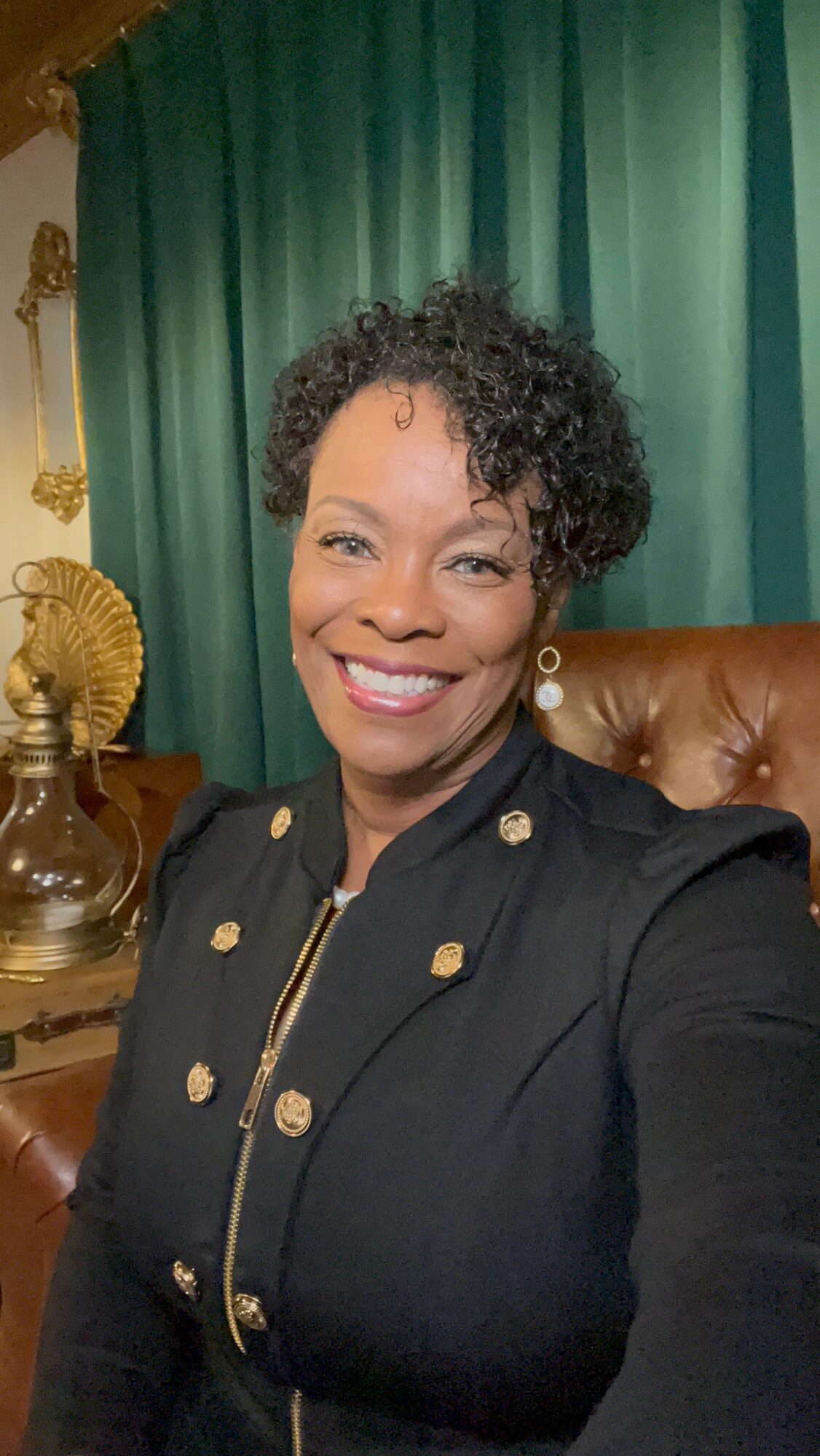
Today we’d like to introduce you to Rhonnie Brewer.
Hi Rhonnie, so excited to have you with us today. What can you tell us about your story?
I started my career in corporate America and ultimately became an executive at a Fortune 500 company. At the time, I thought I had reached the destination I had been working toward, the pinnacle of my career: the title, the stability, the validation.
Then I suffered a massive stroke.
Recovery forced me to slow down in a way I never had before. In that stillness, I became painfully aware of how narrow our systems are, especially when it comes to workforce. I watched capable, talented people get overlooked simply because they didn’t fit neatly into the boxes recruiters were checking for. I realized I had come very close to being invisible myself.
That experience didn’t end my career. it redirected it. I entered entrepreneurship out of necessity at first, starting small businesses like bakeries and later a cellphone company. Along the way, I learned firsthand how access, capital, and opportunity actually work at the ground level. Over time, that work evolved into ProGeny, a workforce and entrepreneurship organization designed to remove the same barriers I once faced.
Today, my focus is on building ecosystems, not just programs. Through ProGeny, the ProGeny Marketplace, and LaunchPro, we help people develop skills, launch businesses, and connect to real economic opportunity. What began as survival and recovery ultimately became my purpose.
We all face challenges, but looking back would you describe it as a relatively smooth road?
It has definitely not been a smooth road. Let’s just say it has been an instructive one.
Much of ProGeny’s early growth happened during COVID, when people were losing jobs, rethinking work entirely, and trying to start businesses in the middle of deep uncertainty. We were helping individuals navigate employment and entrepreneurship during a period when the rules were changing in real time. That required constant adaptation, what I often called the pivot. It wasn’t just about how we delivered programs, but how we thought about stability, access, and opportunity.
At the same time, the funding landscape was shifting. Resources became more competitive, priorities changed quickly, and organizations had to learn how to do more with less while still delivering real outcomes. That forced us to be disciplined, creative, and deeply aligned with the communities we serve. Many of the tactics we learned during that period are still in use today.
Another ongoing challenge is the pace of change in the job market itself. Automation and technology continue to reshape what employers need, often faster than traditional workforce systems can respond. Many workers are scrambling to keep up, not because they lack ability, but because they lack clear pathways. Those challenges reinforced why our work matters. They pushed us to design programs that are flexible, responsive, and grounded in real-world demand, helping people not just find a job or start a business, but build resilience in a constantly changing economy.ugh
Appreciate you sharing that. What should we know about ProGeny Place?
I lead ProGeny, a workforce and entrepreneurship organization focused on removing structural barriers to economic opportunity. Our work sits at the intersection of talent development, small business growth, and systems change. We help people who are often overlooked by traditional pathways develop skills, launch businesses, and connect to real work in a rapidly changing economy.
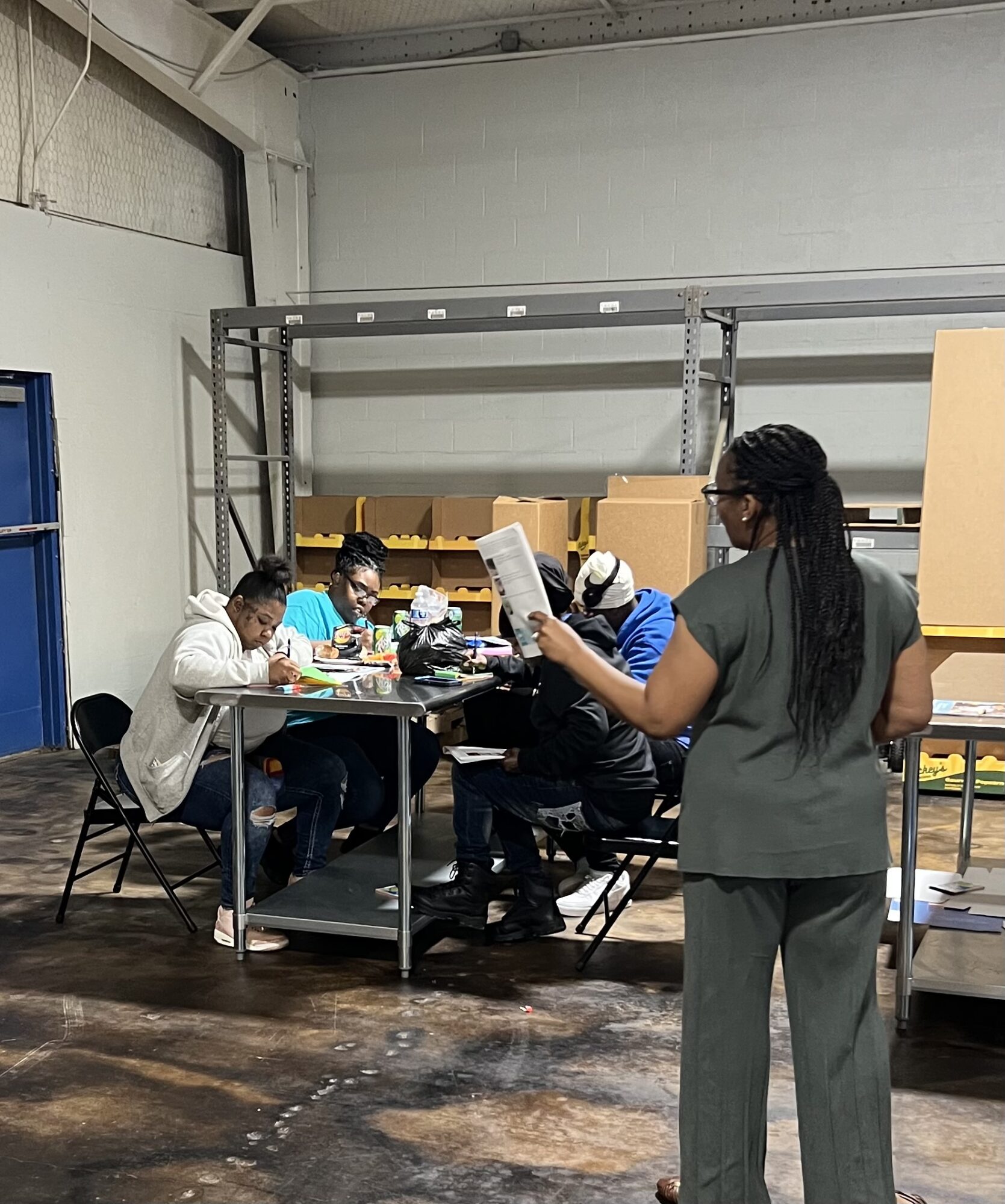
What we specialize in is building practical, human-centered ecosystems, not one-off programs. Through ProGeny, the ProGeny Marketplace, and LaunchPro, we create onramps for people to move from potential to participation. That includes workforce training aligned to real employer demand, entrepreneurship education that is accessible and grounded, and physical and digital spaces where small businesses can actually grow.
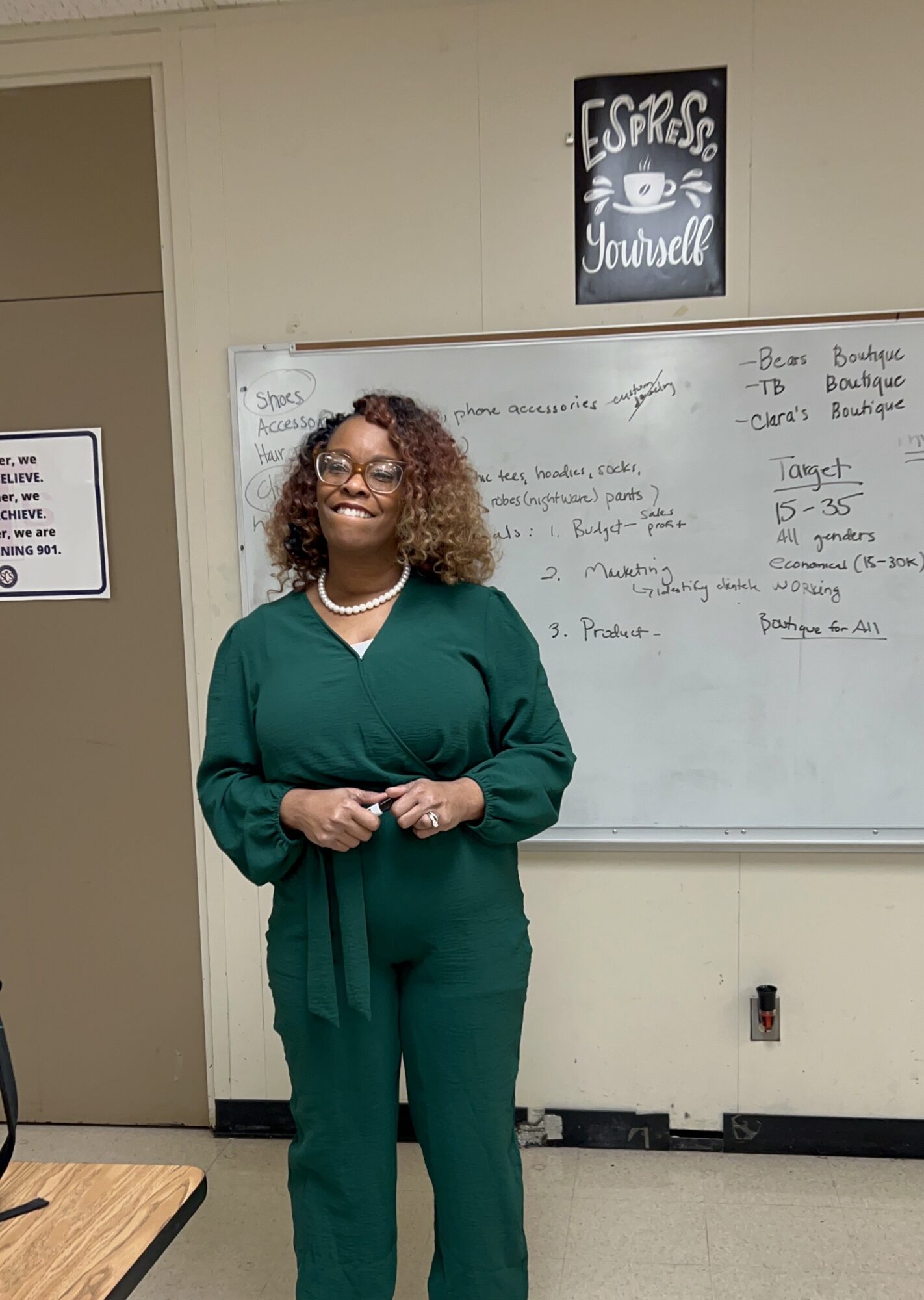
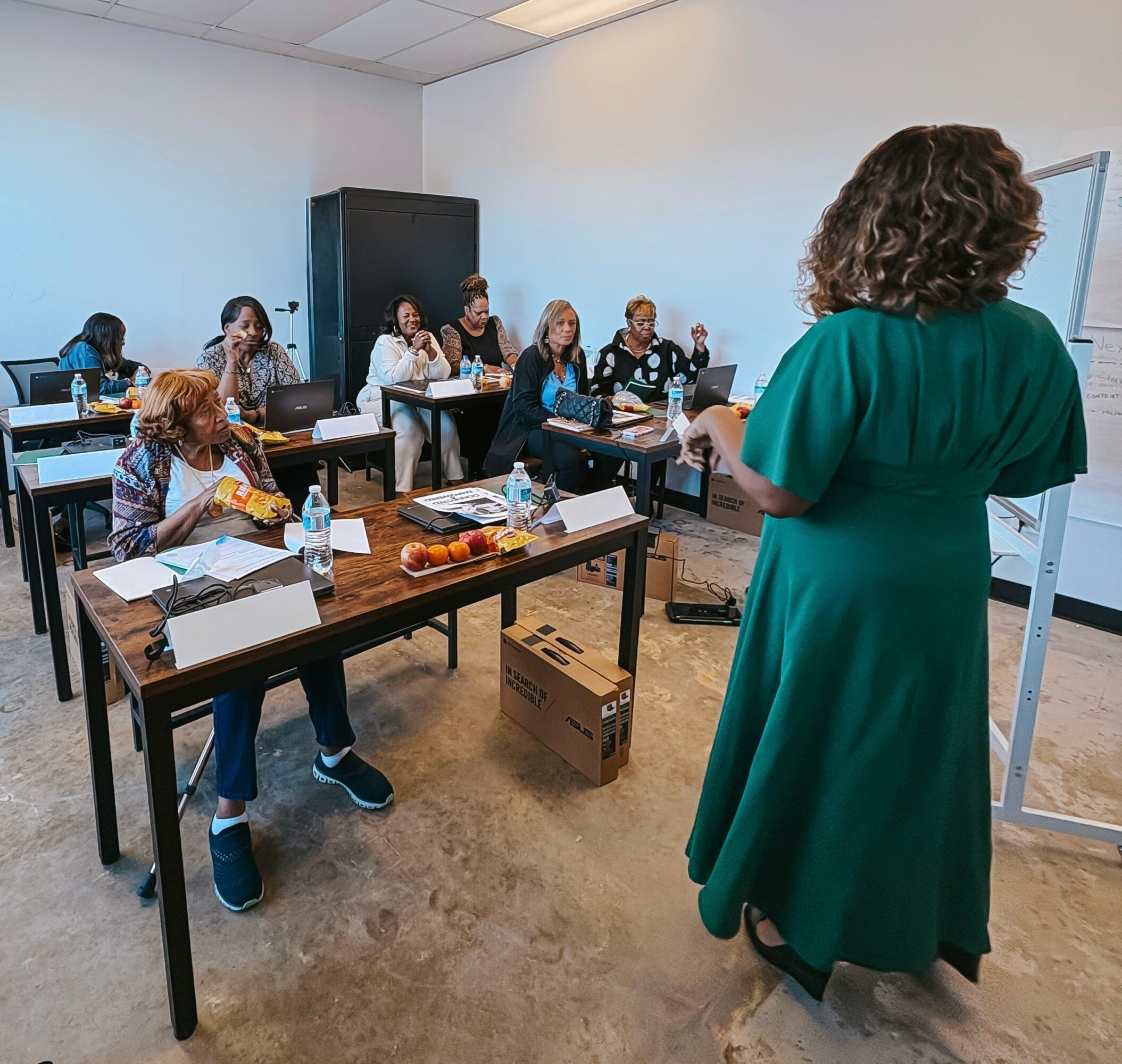
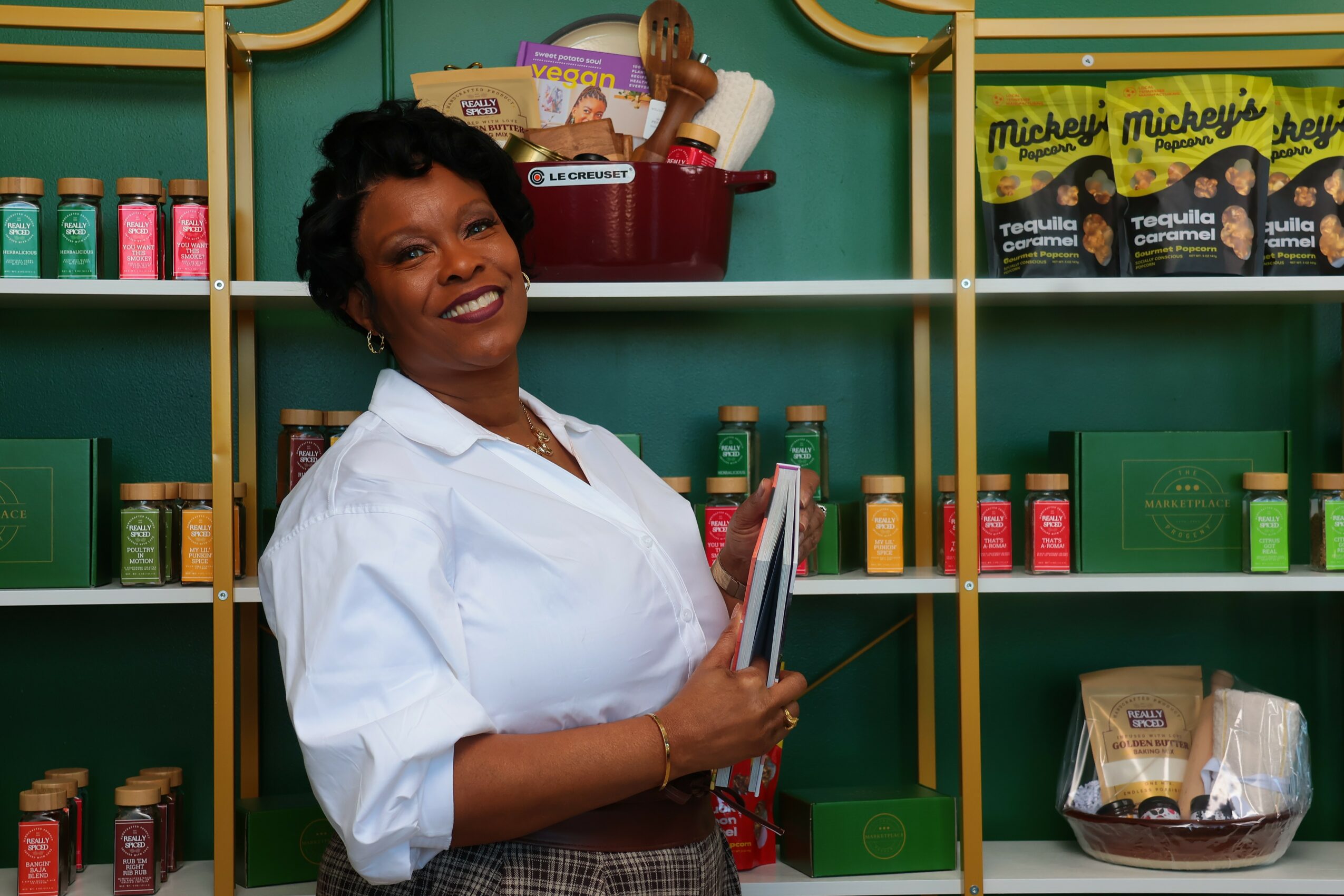
Some of my favorite moments happen in the Marketplace, when an entrepreneur sees their product on the shelf for the first time and realizes, “This is real.” I see it again in the classroom, when someone has an unexpected “aha” moment during a LaunchPro lesson. And I feel it most deeply when someone gains employment through ProGeny and begins to move their life forward with confidence.
What sets us apart is that we do not treat workforce and entrepreneurship as separate conversations. We understand that today’s economy requires flexibility. People may need a job, a business, or both at different stages of their lives. Our models are designed to meet people where they are while preparing them for where the market is going, especially as automation and technology continue to reshape work.
Brand-wise, I am most proud that ProGeny is known for doing the work with integrity and intention. We are trusted in the communities we serve because we listen, adapt, and deliver outcomes that matter. We do not promise quick fixes. We build durable pathways.
What I want readers to know is that ProGeny exists to make opportunity real, not theoretical. Whether through training, entrepreneurship, or access to markets, our work is about helping people build skills, build businesses, and ultimately build lives with stability and purpose.
We all have a different way of looking at and defining success. How do you define success?
I define success through legacy.
There are three women I deeply respect. One is my grandmother, who has passed. Another is my youngest daughter’s great-grandmother on her father’s side, also deceased. The third is the grandmother of my oldest daughter. Different women, different lives, different circumstances.
What they all had in common was not titles, degrees, or wealth. It was the people they helped and the lives they impacted simply by being good, steady, present human beings. Their influence showed up in quiet ways, in families held together, in guidance offered, in doors opened for others. That perspective reshaped how I think about success.
For me, success is not measured by how much money you make or how many credentials you collect. It is measured by what remains when you are no longer here. It is the legacy you leave behind, the opportunities you created for others, and whether your work made life more possible for the people who came after you.
That is the standard I hold myself to, both personally and professionally.
Contact Info:
- Website: https://www.ProGenyPlace.org
- Instagram: https://www.instagram.com/progenyplace_/
- Facebook: https://www.facebook.com/progenyplace.org
- LinkedIn: https://www.linkedin.com/in/rhonniebrewer/
- Youtube: https://www.youtube.com/watch?v=cGAGajxorfg
- Other: https://www.golaunchpro.co