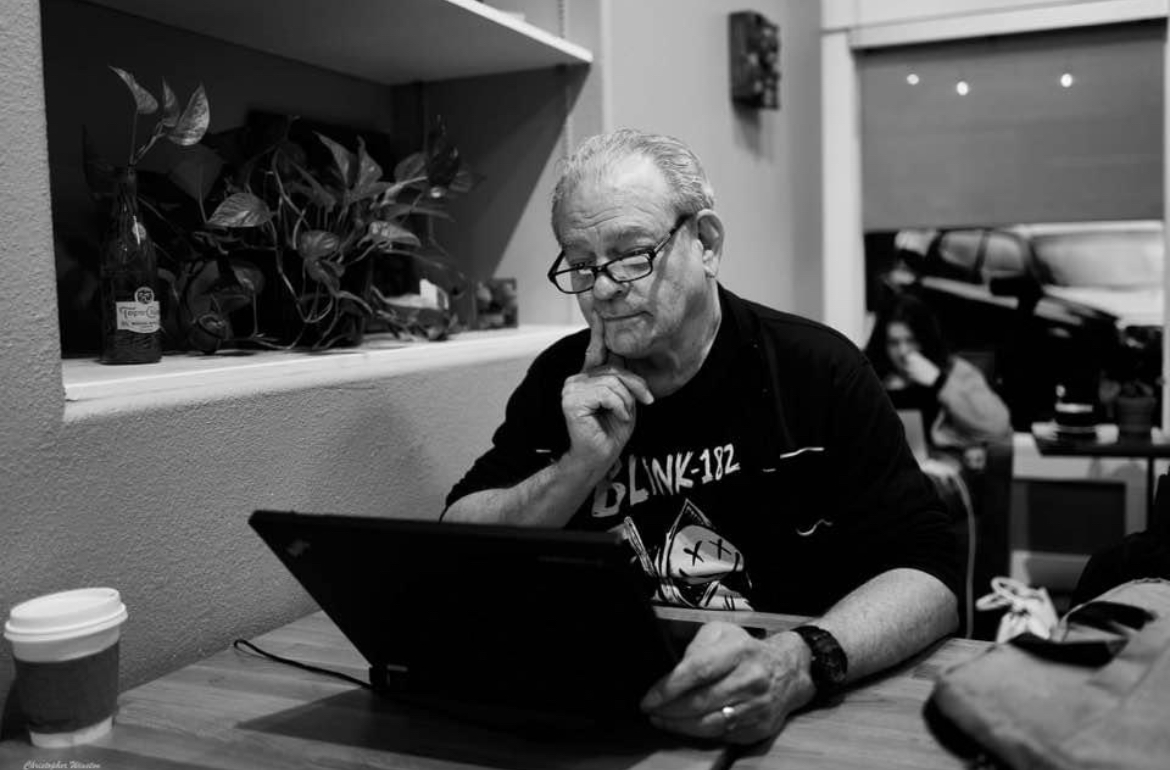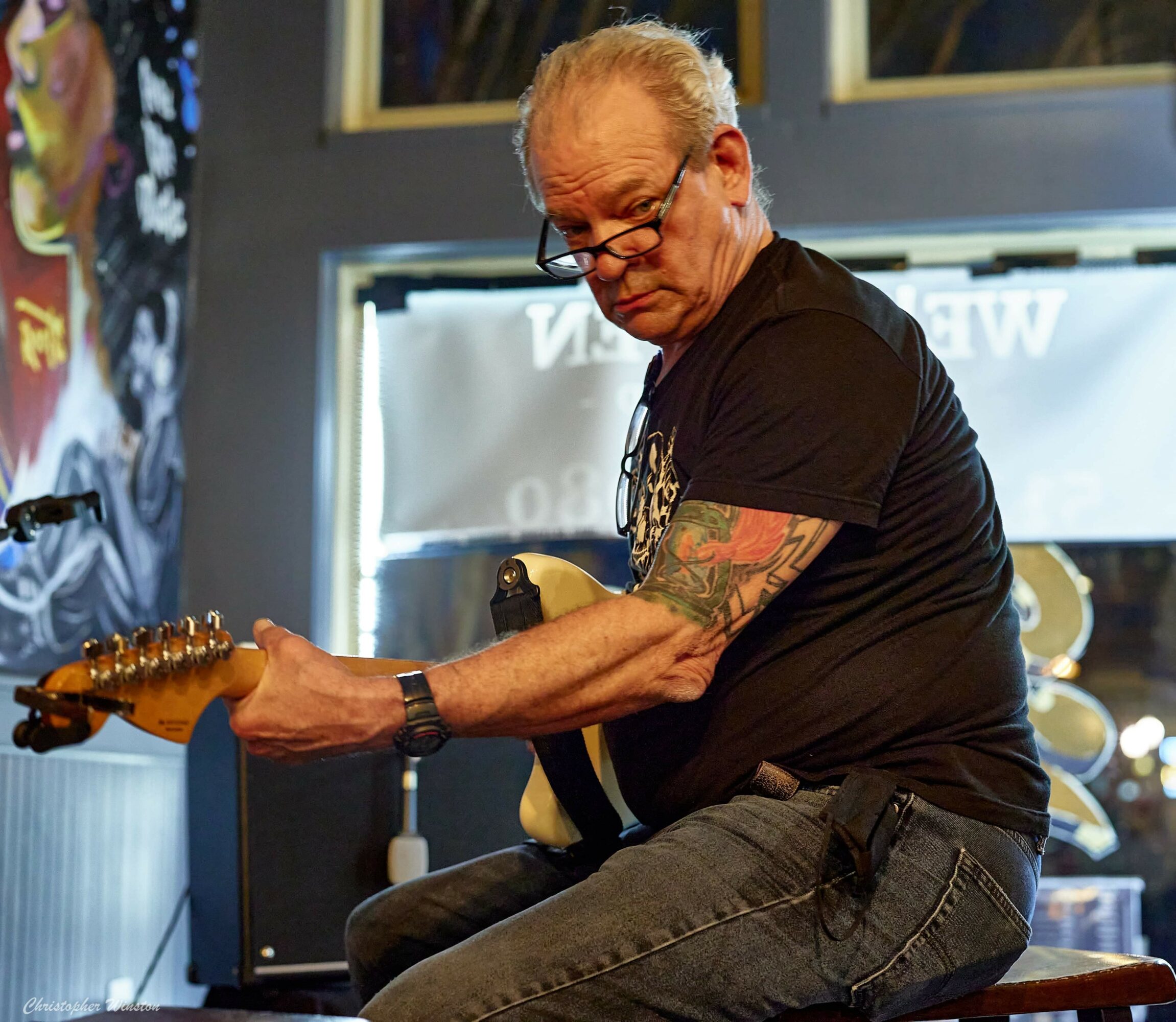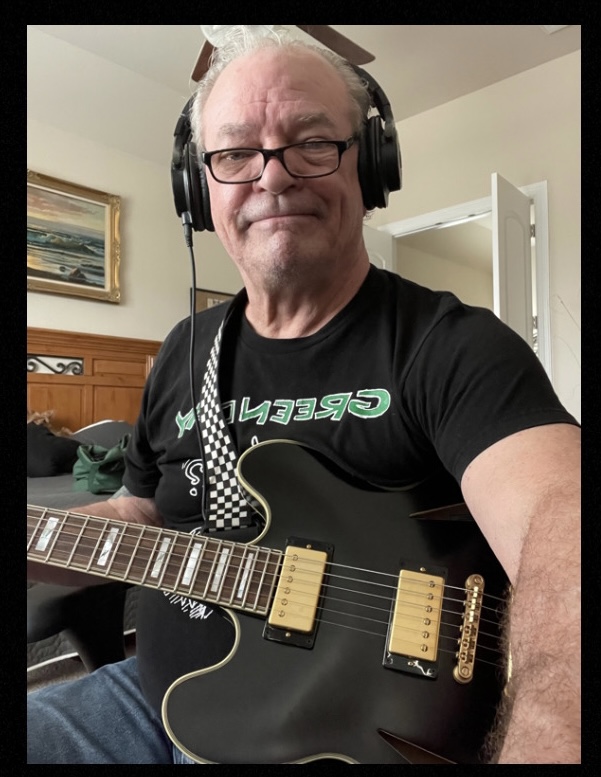
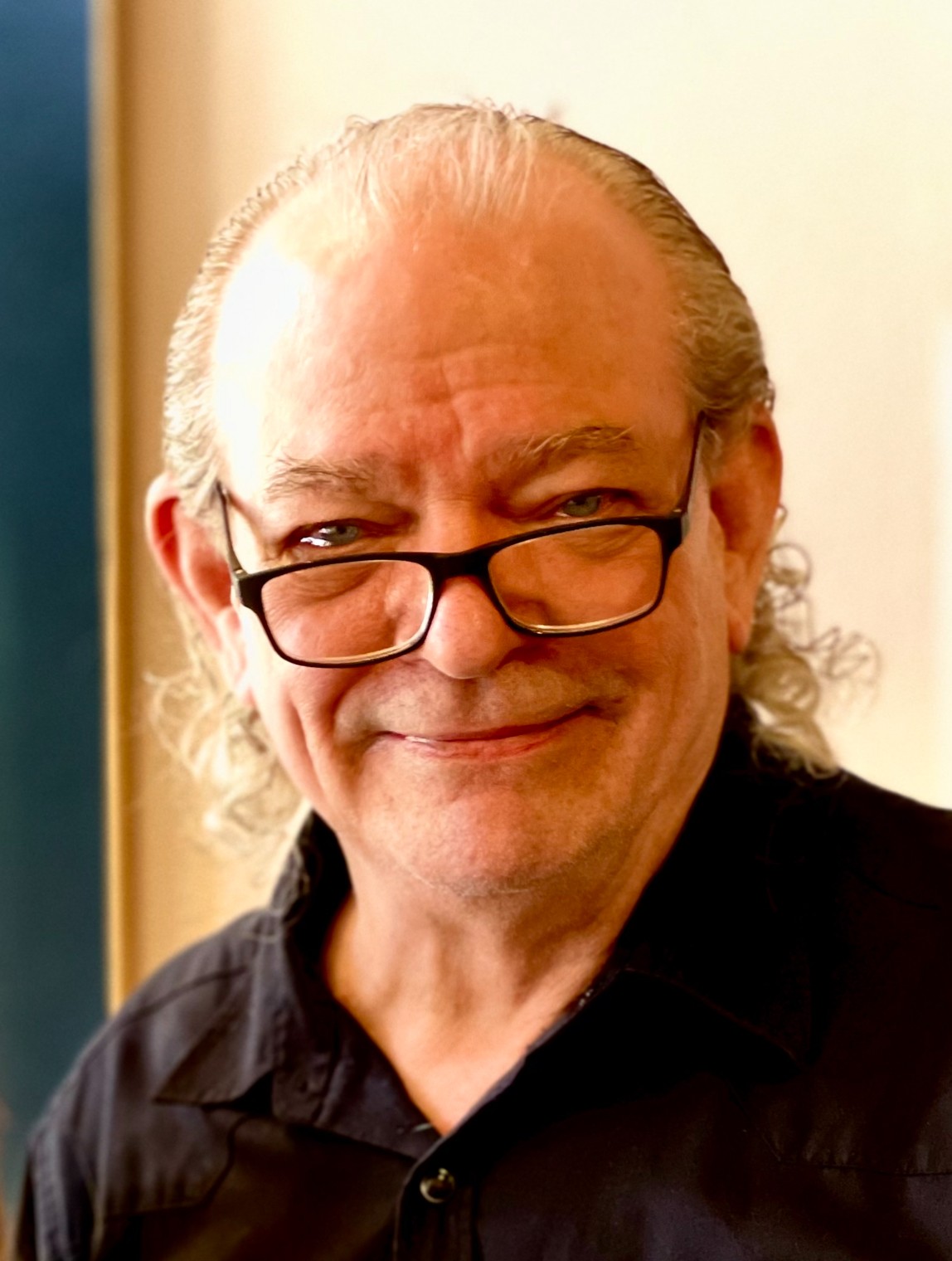
Today we’d like to introduce you to Eric Nielsen.
Hi Eric, so excited to have you on the platform. So before we get into questions about your work-life, maybe you can bring our readers up to speed on your story and how you got to where you are today?
I took the scenic route into artist management.
I was a musician first and still consider myself one. I studied at Berklee in the late 1970s, spent decades in and around Austin’s music community and, when I was younger, had the opportunity to play in a big band backing Dizzy Gillespie’s quintet. That will rearrange your understanding of musical command fairly quickly.
Music never really left my life, even when it was not paying the bills. I built a career in insurance, sales and investigations, which turned out to be surprisingly useful preparation for artist management. Investigative work teaches you to separate what actually happened from what everyone wishes had happened. The music business could use a little more of that.
I began managing artists formally in 2016, although I had been advising, connecting and quietly solving problems long before anyone put a title on it. I was drawn to emerging artists who clearly had something but did not yet have the experience or infrastructure around them to protect and develop it. One important chapter was managing the Texas band Tough On Fridays through several formative years and their signing with Golden Robot Records in 2021.
Dead Rose Management did not begin as a grand business plan. It grew from everything I learned during that period—and from realizing how often talented emerging artists were surrounded by enthusiasm but not enough honest, experienced guidance. I love possibility, but I am not interested in selling fantasy. Potential is not proof; it is permission to keep developing.
After many years in Austin, I relocated Dead Rose to the Memphis area. Memphis has an extraordinary musical history, but I did not come here to stare at the rearview mirror. I am interested in the artists working now, the infrastructure around them and what this region could build next.
Today, I am building Dead Rose as a small, selective artist management and development company. I still listen constantly, still go to small rooms to watch artists when almost no one is paying attention and still believe music can change a person’s life.
I just know that belief works better when somebody also brings a blueprint.
Alright, so let’s dig a little deeper into the story – has it been an easy path overall and if not, what were the challenges you’ve had to overcome?
No. Rewarding, certainly. Smooth would be an imaginative description.
One of the central challenges in artist development is economic: the artists who need the most help are often the least able to pay for it. For years, much of my work was unpaid or underpaid because I believed in the artists and wanted to help them move forward. That may be generous, but it is not sustainable. Fifteen or twenty percent of very little remains very little. Math is rude that way.
I also learned that development has to be collaborative. A manager can bring perspective, structure, contacts and accountability, but cannot supply an artist’s daily drive or make every decision for them. Life intervenes, priorities change and sometimes talented people discover that they do not want everything the career requires. That is not necessarily failure; it is useful truth.
The important distinction is between supporting an artist and carrying one. Dead Rose is not here to punish artists for what they do not yet know. The work is to identify the gaps early enough to do something about them. We do not rescue artists; we sharpen them.
Relocating from Austin to the Memphis area presented another challenge. I had spent decades building relationships and understanding Austin’s musical ecosystem. In Memphis, I was the new person in a close-knit community. I could not arrive, hang out a sign and expect trust. I needed to listen, attend shows, meet people and understand how the city actually works beneath the familiar names and mythology. Trust cannot be announced; it has to accumulate.
Those struggles have made Dead Rose more focused. I am more selective about whom I work with, clearer about expectations and more deliberate about diagnosing where an artist is before prescribing where they should go. The road has not been smooth, but the rough parts are largely responsible for the company I am building today.
As you know, we’re big fans of Dead Rose Management . For our readers who might not be as familiar what can you tell them about the brand?
Dead Rose Management operates in the space between “I have good music” and “I have a sustainable career.” That space is usually much larger than it appears.
We are a boutique artist management and development company, and “boutique” is intentional. It does not mean a miniature version of a large management firm. It means working deeply with a limited number of artists rather than collecting names for a roster page.
I specialize in career architecture: looking at the artist’s music, live show, audience, release history, narrative, finances, team and working habits as one connected system. The work can include A&R and song development, release planning, live strategy, audience growth, positioning and building the professional materials and relationships an artist will eventually need.
Not every talented artist needs full management immediately. Sometimes an artist needs an honest assessment, a course correction or a focused period of development before that relationship would make sense. Dead Rose can work with artists at those earlier stages rather than pretending a management agreement is the cure for everything. A manager is not a magic wand with a contacts list.
What sets us apart is the emphasis on judgment and sequencing. The industry constantly sells artists individual tactics: hire a publicist, make more content, chase playlists, run ads, find a label-services company. Any of those tools can be useful at the right moment. Used too early or without the supporting structure, they often become expensive activity rather than progress.
The goal is to make artists “option-ready.” If a meaningful opportunity appears—a strong support slot, a licensing inquiry, a partnership, funding or label interest—the artist should have enough clarity and infrastructure to evaluate it and act on it without rebuilding the entire operation overnight.
The people I work with know me for asking difficult questions early, looking beneath the obvious numbers and remembering that the music is still the reason for all of this.
Brand-wise, I am proud that Dead Rose has developed a recognizable point of view. Through our editorial content, we talk openly about the realities of artist development without becoming cynical about ambition. The black-and-white visuals, noir influence and case-file language are not simply decoration; they reflect how I approach the work—observe closely, follow the evidence and look beneath the surface.
I want readers to understand that an artist does not need to pretend everything is already working before asking for help. Development is not an admission of failure. It is the work of making sure the career being built can actually carry the weight of the opportunity everyone says they want.
So, before we go, how can our readers or others connect or collaborate with you? How can they support you?
Artists can reach me through deadrosemgmt.com or at eric@deadrosemgmt.com. A good introduction tells me where you are based, gives me two or three of your strongest songs and some live footage, and explains what you have already built and where you believe you are stuck. I do not need an inflated biography or fourteen links.
Not every conversation has to begin with full management. Sometimes the right starting point is an assessment, a focused development project or simply an honest conversation about what should happen next. Dead Rose is Memphis-based but not Memphis-only; I continue to have strong relationships in Austin and will work beyond either market when the fit makes sense.
I also want to know the people who take artist development seriously—venues, promoters, producers, engineers, labels, publicists, attorneys and visual creatives who understand that timing and fit matter.
People can support Dead Rose by sharing our editorial work, making a thoughtful introduction or pointing me toward an artist worth seeing before everyone else has agreed they are worth seeing.
I am always open to a good conversation. Useful beats impressive.
Contact Info:
- Website: https://deadrosemgmt.com
- Instagram: https://www.instagram.com/alwysarebel/
- LinkedIn: https://www.linkedin.com/in/deadrosemgmt/