
Today we’d like to introduce you to Kaiana Lewis.
Hi Kaiana, thanks for sharing your story with us. To start, maybe you can tell our readers some of your backstory.
I actually didn’t start in the floral industry at all. I was working at Sprouts grocery store, in the pharmacy department. I spent my days helping people find supplements and wellness products. But something interesting kept happening — customers would come up to me asking for eucalyptus and lavender plants. Fresh herbal flowers. And every time I had to tell them, “We don’t carry those.”
After the third or fourth person asked, it stuck with me. They wanted something natural, calming, something that helped them feel better in their home and in their life. And I realized there was a need that wasn’t being met.
So I started Earth Garden Flower Shop simply because I couldn’t stop thinking about the need that people were coming to me and asking for. I didn’t have experience, I didn’t have funding, and honestly I didn’t fully know what I was doing — but I knew I was supposed to start.
The journey from there has not been smooth. I’ve made a lot of mistakes. I’ve had financial challenges, operational failures, and moments where quitting would have been the logical decision. But every time I hit a wall, I saw doors open that I couldn’t have planned myself. My faith has played a huge role in that. I genuinely believe God kept me going when I would have walked away, and gave me the perseverance to keep building and learning.
Over time I learned that I wasn’t just selling flowers. I was creating an emotional service — something that helps people process grief, celebrate, reconnect, or find peace in their homes. That changed how I built the company.
Today, that small idea has grown into two flower shops, and I’m still learning every day. I don’t feel like I’ve “arrived.” I feel like I’m being trusted with something that keeps growing, and my role is to steward it well and serve people through it.
Can you talk to us a bit about the challenges and lessons you’ve learned along the way. Looking back would you say it’s been easy or smooth in retrospect?
No, it definitely hasn’t been a smooth road. Flowers look gentle from the outside, but the business side is very intense. You’re working with a perishable product, strict timelines, and emotional situations all at once. When something goes wrong, it’s not just a late package — it can be someone’s funeral, wedding, or reconciliation moment.
Early on, I remember a delivery where I had the date wrong. I showed up with flowers on the wrong day, and the customer was kind, but I realized I had completely missed the moment they actually needed them. I went back to my car and just sat there because I understood I wasn’t just handling orders — I was handling people’s memories and emotions. That was a turning point for me. I started building real systems after that, checklists, confirmations, and communication processes, because I never wanted a person’s important moment to depend on my memory again.
Another challenge was that demand grew faster than my operations. I was getting orders I wasn’t fully staffed or structured for yet. I had to learn delivery routing, inventory management, pricing, and team leadership quickly, and I learned a lot of it by fixing my own mistakes. There were financial setbacks and long nights where quitting would have been the logical choice.
But each time something failed, I corrected the system instead of walking away. My faith played a large role in that. I genuinely felt called to keep going even when the lessons were uncomfortable, and that gave me resilience.
Looking back, those struggles made me a much stronger operator. Today I run two flower shops, and many of the procedures we follow now exist specifically because of problems I experienced early on. The business didn’t grow because everything went right — it grew because I learned how to handle things when they went wrong.
We’ve been impressed with Earth Garden Flower Shop, but for folks who might not be as familiar, what can you share with them about what you do and what sets you apart from others?
Earth Garden Flower Shop is a self-care and wellness-centered floral company. We don’t see flowers as decoration — we see them as emotional care.
The idea actually connects back to how I started. I was working around supplements and wellness products, and I noticed people were looking for something natural and calming for their daily lives. That shaped how I built the business. Our arrangements aren’t designed only for beauty — they’re intentionally created to bring psychological relief. We pay attention to color palettes, movement, spacing, and texture because certain visual patterns naturally calm the human mind. In that way, each arrangement functions almost like a wellness product, not just a gift.
Because of that philosophy, every purchase also includes a complimentary self-care item. We want customers to slow down, breathe, and actually experience the moment rather than just receive a bouquet and move on. We encourage people to sit with the flowers, not rush past them. In a world that constantly pulls attention and demands productivity, we want to offer a small interruption — a moment where nothing is required from them.
Our guiding belief is that wellness should be designed, not rushed. Beauty should bring relief, and luxury should feel peaceful, not overwhelming. We often say “flowers are a form of self-care,” and that nature is one of the greatest healers available to us. Everything we offer is meant to be an experience, not just a transaction, and we approach sustainability as a responsibility.
Peace, for us, is not just quietness. It is the feeling of being able to exhale. Many of our customers come to us during emotionally significant moments — grief, reconciliation, celebration, or transition — and flowers often say what people cannot put into words. We want our work to support those moments gently. Our goal is that when someone receives an arrangement, they feel cared for, not just impressed.
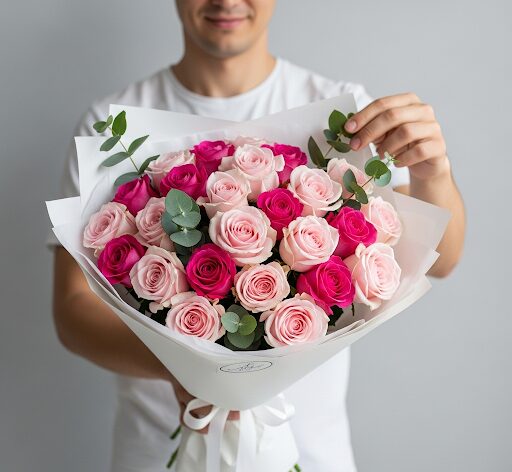
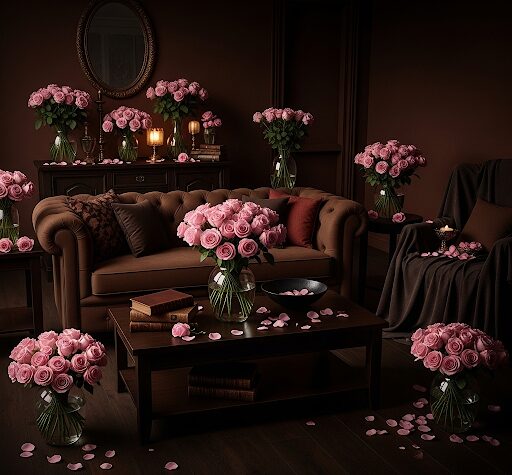
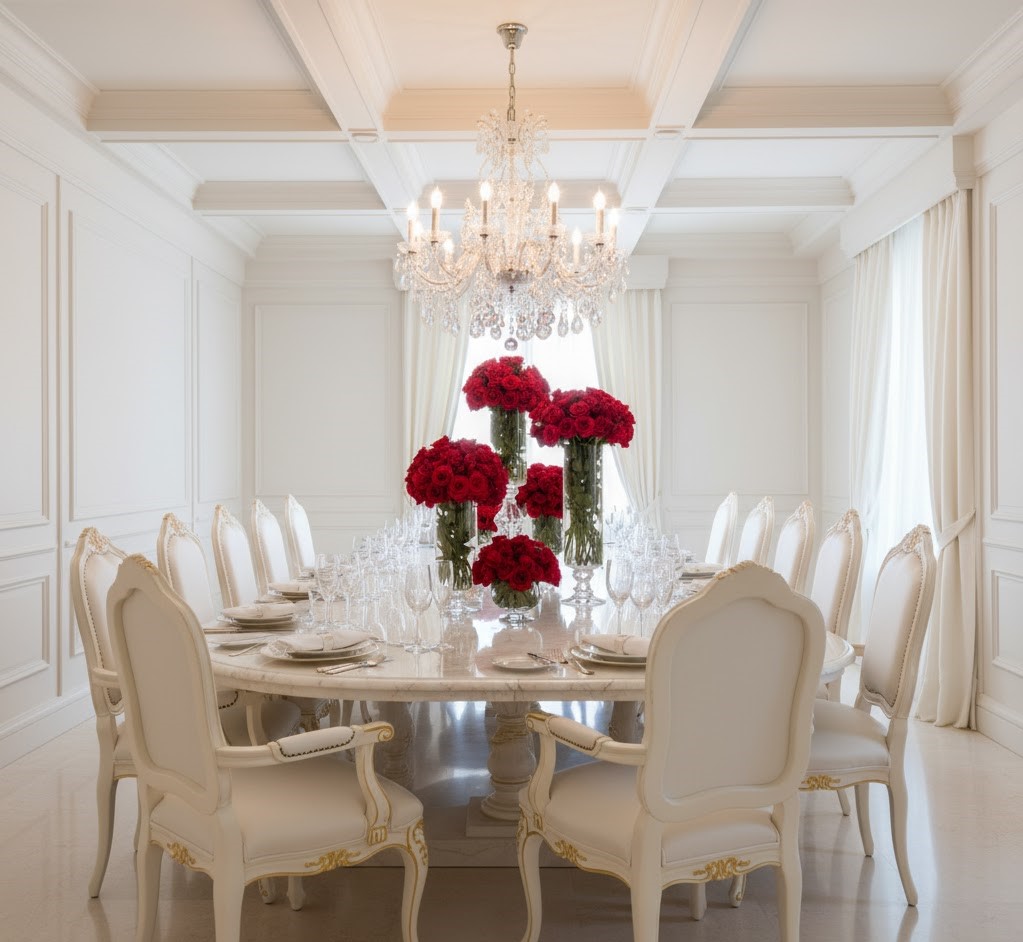
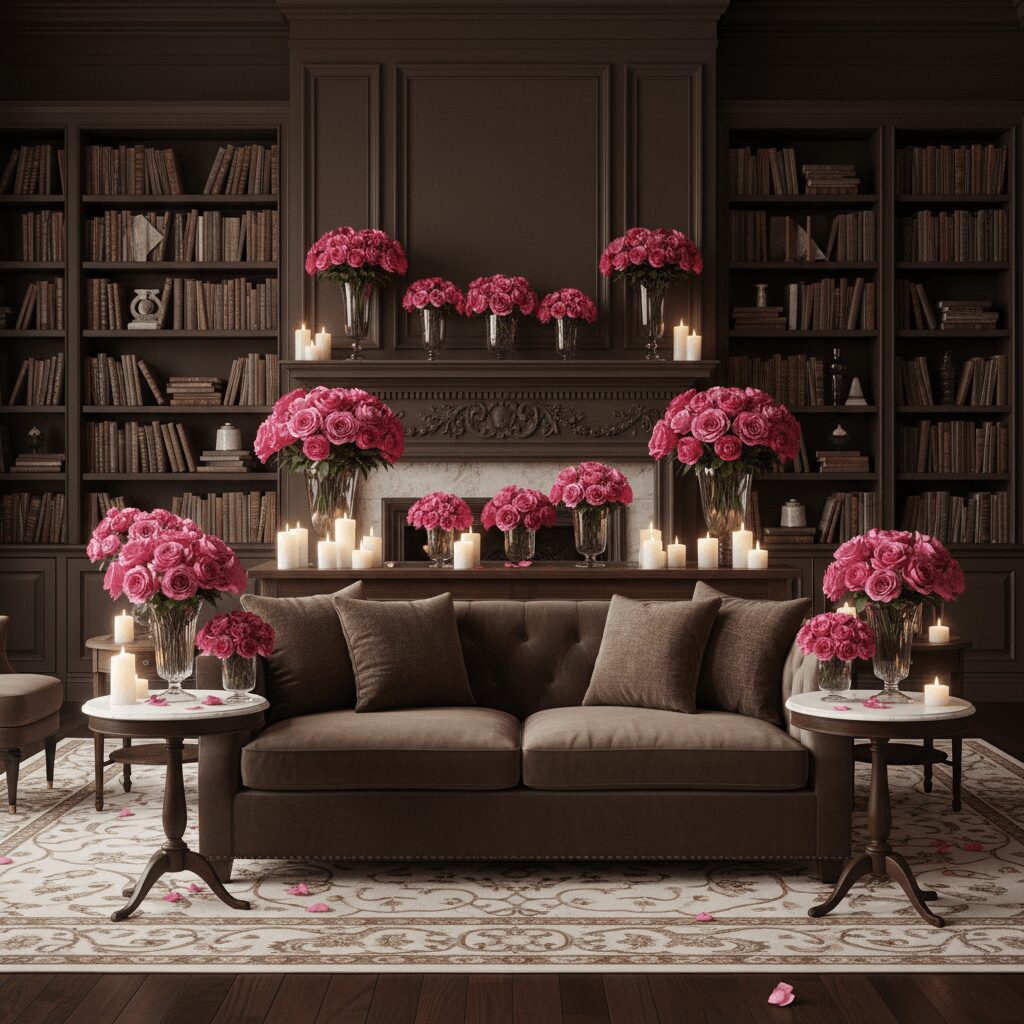
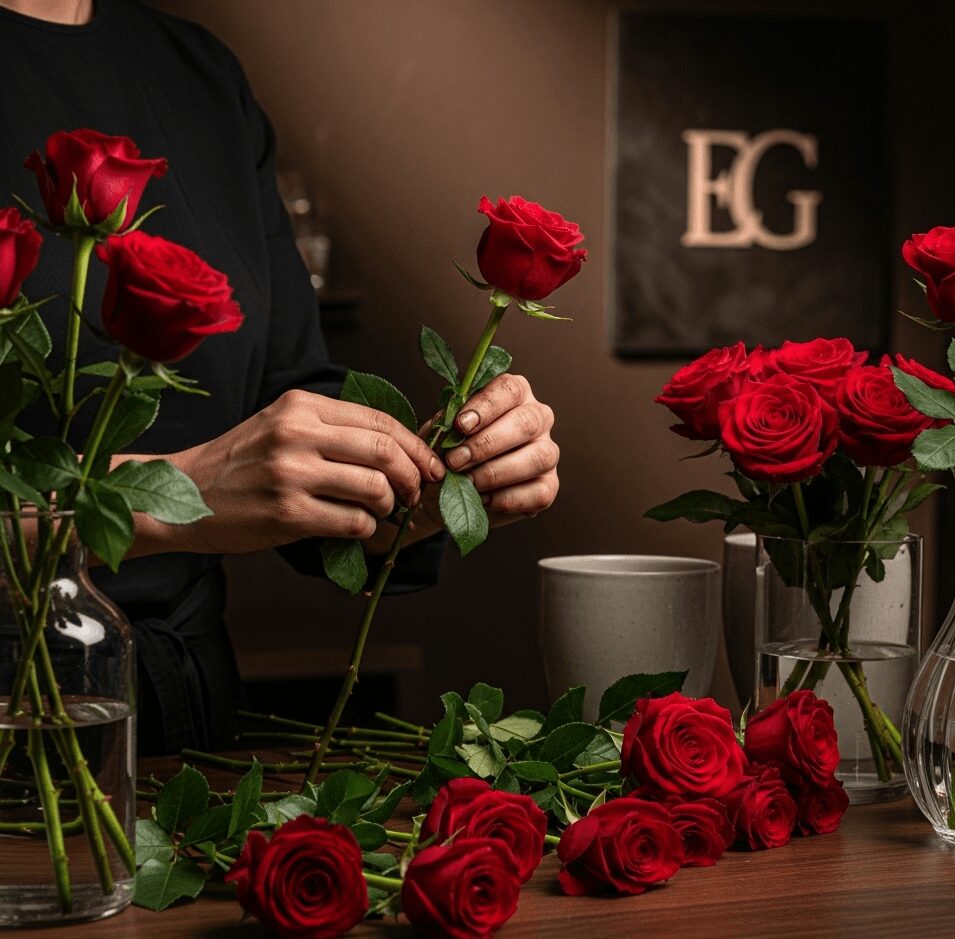
We’re especially known for our lush rose arrangements, which became a signature for us, but what we are most proud of brand-wise is the atmosphere we create. Customers often tell us our shop feels calming the moment they walk in. That’s intentional. The lighting, the spacing, the scent, and even the pace of service are designed to feel unhurried. Our tagline is “The Art of Tranquility” because our goal is to introduce people to a sense of peace they don’t often find in daily life.
We are also expanding this philosophy into the home. We’re launching a self-care line that includes sleep-focused home fragrances and comfortable evening wear because we believe self-care doesn’t start at the spa — it starts during ordinary wind-down moments at home. The quiet parts of the day, especially before rest, shape emotional health more than occasional luxury experiences. We want to support those daily rhythms.
More than anything, I want readers to understand that Earth Garden Flower Shop isn’t just about flowers. It’s about helping people pause, process emotions, and create peaceful spaces in their lives. We’re trying to reintroduce rest into everyday living and remind people that peace does not have to be reserved for vacations or special occasions — it can exist in ordinary evenings, at the kitchen table, beside the bed, and in the small routines of home.
Where do you see things going in the next 5-10 years?
I think the floral industry is going to change significantly over the next five to ten years. For a long time it has been built around speed, convenience, and visual perfection — but I believe it’s moving toward sustainability and intentional design.
There is growing awareness, both from florists and customers, about the environmental impact of our work. Many people don’t realize how much waste the industry produces: floral foam, plastic packaging, imported stems that travel long distances, refrigeration energy, and chemical treatments used to preserve flowers. It allows us to create beautiful arrangements quickly, but it also comes with a cost to the environment.
I expect we will see a steady shift away from single-use mechanics like green floral foam and toward reusable structures, local sourcing, seasonal flowers, and more natural arranging methods. Designers are already rediscovering techniques that existed before convenience materials were common — using branches, chicken wire, moss, and structural design instead of disposable supports. Sustainability will become part of craftsmanship.
I also think the pace of the industry will change. Right now floral work is often rushed because it is tied to last-minute events and expectations of immediate availability. In the future, I believe customers will begin valuing intentionality over speed — fewer impulse purchases and more meaningful, planned experiences. Flowers will be treated less like a quick retail item and more like a thoughtful wellness or hospitality offering.
Personally, I hope the industry moves in a direction that respects both people and the environment. Florists experience high burnout, and the earth carries a lot of the hidden cost of production. My hope is that we design in ways that are gentler — slower processes, environmentally responsible materials, and arrangements that are appreciated for their meaning rather than just their scale.
I don’t think beauty and sustainability are in conflict. I think the next generation of floristry will prove that the most beautiful work is also the most responsible.
Contact Info:
- Website: https://www.earthgardenflowershop.com
- Instagram: https://www.instagram.com/earthgardenflowershop/
- Facebook: https://www.facebook.com/EarthGardenFlowerShop/
- LinkedIn: https://www.linkedin.com/company/earth-garden-flower-shop/?viewAsMember=true
- Youtube: https://www.youtube.com/channel/UCHX3ENZiKk87fwqjiGDr6cA